




Ever grab your favorite travel mug, take a big sip of coffee, and get hit with a funky, stale taste? You know the one. It’s that lingering film at the bottom of your thermos or milk pitcher that’s more than just an ugly stain—it’s a hotspot for bacteria that can completely ruin the flavor of your drink.
That’s where a good bottle cleaning brush comes in. It’s a simple tool, really: just a long handle with bristles on the end. But for getting into the nooks and crannies of narrow-necked containers like thermoses, milk jugs, and water bottles, it’s an absolute game-changer. A sponge just can't get in there, and a dishwasher often misses the mark entirely.
The Unsung Hero in Your Kitchen
Think of it as a precision tool for your kitchen. Its long, often flexible, handle lets you reach deep inside containers to scrub away every last bit of old coffee, smoothie gunk, or milk residue. Those are the places your hand and a regular sponge could never dream of reaching.
This simple act of scrubbing ensures every sip you take is as fresh and clean as the very first one. It’s the difference between thinking your bottle is clean and knowing it is.
Why a Brush is Non-Negotiable
For anyone serious about their coffee, keeping accessories pristine is fundamental to getting that perfect café-quality taste at home. A dirty milk container or thermos can easily introduce off-flavors, spoiling an otherwise perfect brew. A dedicated brush is your best defense against that happening.
The right tool makes any job feel effortless. When it comes to cleaning your drink containers, a high-quality bottle cleaning brush isn’t a luxury—it’s a necessity for good hygiene and preserving the pure taste you expect.
Using the right brush gives you a few key advantages:
- A Truly Deep Clean: The bristles physically scrub away stuck-on particles and that slimy biofilm that automated washing cycles frequently leave behind.
- Pure Flavor Preservation: By getting rid of old residue, you guarantee that today's fresh coffee doesn't have a hint of last week's forgotten tea.
- Longer-Lasting Gear: Gentle but regular cleaning with a proper brush prevents harsh, baked-on stains that can damage your containers over time.
If you own a NIVONA machine, a specialized bottle cleaning brush is especially crucial. It’s the best way to maintain the SPUMATORE milk frother system and the NIMC 1000 Milk Container, ensuring you get flawless foam and delicious results, every single time.
Choosing Your Cleaning Champion
Picking the right bottle cleaning brush is a bit like choosing the right knife for a kitchen job—you wouldn't try to peel an apple with a bread knife. The same idea applies here. The right brush makes cleaning feel effortless and gets the job done right, while the wrong one is just frustrating and leaves grime behind. It all really boils down to two things: the bristle material and the brush's shape and size.
Let's start with the bristles. This is where the real work happens, and each material has its own strengths.
Decoding Bristle Materials
When you're looking at brushes, you’ll mostly find two options: nylon and silicone. Think of nylon bristles as the heavy-duty scrubbers of the cleaning world. They’re fantastic for tackling tough, dried-on messes like old coffee stains or that smoothie residue that seems to weld itself to the bottle. Their firm bristles give you the power to really dig in and dislodge anything stubborn.
Silicone, on the other hand, is the gentle option. The bristles are soft, flexible, and don't absorb water, which makes them incredibly hygienic. It works more like a squeegee for the inside of your bottle, wiping surfaces clean without a single scratch. This makes silicone the perfect choice for daily cleaning and for delicate items like a high-quality glass milk container.
A bottle cleaning brush isn't just another tool; it's your first line of defense against the bacteria and oily residue that can completely ruin the taste of your coffee. Choosing the right one ensures every single drink tastes as pure and perfect as it should.
To help you zero in on the best material for your needs, here’s a quick comparison of what each one brings to the table.
Bottle Cleaning Brush Material Comparison
This table breaks down the most common bristle materials to help you choose the best option for your cleaning needs.
| Material | Best For | Pros | Cons |
|---|---|---|---|
| Nylon | Tough, dried-on residue and heavy-duty scrubbing. | Excellent scrubbing power, durable, and cost-effective. | Can scratch delicate surfaces; may retain moisture and bacteria if not dried properly. |
| Silicone | Daily cleaning, delicate materials, and hygiene-focused users. | Won't scratch, non-porous and easy to sanitize, long-lasting. | Less effective on very stubborn, hardened grime. |
Ultimately, whether you choose sturdy nylon for deep cleans or gentle silicone for daily upkeep, the goal is the same: a perfectly clean container.

As you can see, the brush is the critical step that takes a container from dirty and unhygienic to pristine and ready for your next perfect cup of coffee.
Matching Brush Shape and Size to the Job
Once you've picked a material, the next step is to think about the brush’s physical shape. For the best results, the size and shape of the brush need to match the container you're cleaning. It’s a simple matter of having the right tool for the task at hand.
-
For Tall Thermoses and Water Bottles: You'll want a long, thin bottle cleaning brush with a flexible neck. This design lets you reach all the way to the bottom and easily get around any curves or ridges inside. A handle with a solid grip is also a must-have for all the twisting and scrubbing a deep clean requires.
-
For Coffee Pitchers and Milk Jugs: A brush with a shorter handle and a wide, rounded head works best here. This shape gives you great coverage for scrubbing the broad base and sides of a pitcher, making sure no milk residue gets left behind to go sour.
-
For Narrow Necks and Tubes: For skinny items like the NIVONA SPUMATORE frother tube or even reusable straws, you need a very thin, flexible brush. These specialized brushes are made to wiggle into tight spaces where standard brushes just can't fit, preventing frustrating blockages and buildup.
The Perfect Brush for Your Coffee Ritual

If you're serious about your coffee, you know the process doesn't end when the machine stops brewing. True quality comes from taking care of your gear, and that’s where the right bottle cleaning brush becomes one of the most important tools in your arsenal. It’s a small detail that makes a huge difference in every single cup.
Think about it this way: you wouldn't paint a masterpiece with a dirty brush. The same principle applies here. The goal is to get rid of every last bit of old coffee oil and milk residue. If left behind, that buildup quickly turns rancid and will absolutely ruin your next drink with a sour, off-putting flavor.
Matching the Brush to Your Coffee Gear
Your various coffee accessories each present a unique cleaning puzzle. A wide-mouthed milk pitcher has completely different needs than the narrow, delicate tube inside a milk frother. A one-size-fits-all approach just doesn’t cut it when you’re after pure flavor and a perfectly clean machine.
Take a milk jug, for instance. A wider, round-headed brush is your best bet. Its shape lets you scrub the broad base and sides with even pressure, easily removing that thin film of milk fat that a simple rinse always misses. This is key for stopping the buildup that leads to sour milk residue. You can see this in action with high-quality gear like the NIVONA NIMC 1000 Milk Container, which is specifically designed to be easy to maintain.
Maintaining your coffee accessories isn't about scrubbing harder; it's about scrubbing smarter. The right brush makes it easy to remove residue that ruins flavor, ensuring your NIVONA machine always delivers the fresh, café-quality coffee you expect.
This commitment to cleanliness has a direct payoff: a better tasting cup of coffee. When you eliminate any lingering residue, the rich, complex notes of your favorite coffee beans can finally shine through, pure and uncompromised.
Preserving Taste and Extending Equipment Life
When you get to the more complex parts of your machine, like the NIVONA SPUMATORE milk frother, having a specialized tool is non-negotiable. This is where a long-handled, slender brush with firm bristles proves its worth.
It's designed to snake through the narrow milk tube, breaking up any milk protein deposits that cause blockages and hurt your frothing performance. If you skip this targeted cleaning, you'll soon notice inconsistent foam and could even risk damaging the frother itself over time.
Here’s a quick rundown of why the right tool is so critical:
- Purity of Flavor: A clean pathway for milk and coffee means no old tastes contaminate your fresh brew.
- Optimal Performance: Clear frother tubes and clean containers help your machine work exactly the way it was designed to.
- Longevity: Gentle, regular cleaning with the correct brush stops hardened deposits from forming, which can permanently stain or damage your accessories.
Investing in a proper bottle cleaning brush is really an investment in your entire coffee experience. It’s a simple tool that safeguards the flavor of your coffee and helps your valuable equipment last longer—a perfect reflection of the effortless, high-quality coffee philosophy.
The Right Way to Clean Your Bottles (and Your Brush)

Having the right bottle cleaning brush is a great start, but knowing how to use it properly is what really gets the job done. The right technique is the difference between a bottle that looks clean and one that’s genuinely spotless, ensuring that leftover coffee or smoothie residue doesn’t taint your next drink.
Before you even think about scrubbing, give your bottle a quick pre-rinse with warm water. This simple move loosens up any easy-to-remove gunk and makes the real cleaning much more efficient. After that, a little squirt of dish soap is all you need.
Mastering the Scrubbing Technique
Here’s where the brush really shines. Just swishing it around won’t do much against the stubborn, invisible biofilm or that dried-on milk foam. To get into every nook and cranny, you need to use a few specific motions.
First, plunge the brush in and out a few times. This acts like a piston, forcing soapy water into the hard-to-reach shoulders and neck of the bottle. Next, use a firm twisting motion, pressing the bristles against the bottle’s inner walls to scrub away anything clinging to the sides. Don't forget the bottom—it's often the dirtiest spot. Press down firmly and give the brush several good twists to make sure it’s completely clean.
A dirty cleaning tool only spreads germs. Sanitizing your bottle brush after each use is just as important as cleaning the bottle itself—it’s the key to maintaining true kitchen hygiene and preventing cross-contamination.
Once you’re done scrubbing, just rinse the bottle with hot water until the suds are completely gone. This methodical approach leaves your containers sparkling clean and free from any lingering flavors.
Don't Forget to Clean the Brush Itself
Think about it: your brush just scrubbed away all that grime. If you just rinse it and put it away, you’re creating the perfect breeding ground for bacteria. Cleaning your bottle cleaning brush after every single use is a non-negotiable step for a truly clean and healthy kitchen.
Luckily, it’s a quick and painless process. Just follow these steps to keep your brush in perfect shape:
- Rinse Vigorously: Hold the brush head under a stream of hot running water to wash away all the loose debris and leftover soap.
- Wash with Soap: Squeeze a drop of dish soap onto the bristles and use your fingers to work it into a good lather.
- Soak for a Deeper Clean: Every so often, give your brush a deeper sanitizing treatment. Let the brush head soak for about 10-15 minutes in a bowl filled with equal parts white vinegar and water.
- Rinse and Dry Completely: Give the brush one final rinse and then hang it or stand it up in a caddy to air-dry. Letting it dry completely is the most important step to prevent mold or mildew from growing on the bristles.
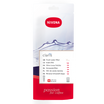
This simple routine is a game-changer for kitchen hygiene. For a complete approach to keeping all your coffee gear pristine, check out our guide on the NIVONA Clean Box, which has everything you need for a full maintenance cycle.
Of course. Here is the rewritten section, designed to sound completely human-written and natural.
Knowing When to Care For and Replace Your Brush
Even the best tools need a little care, and your bottle brush is no different. A few simple habits will not only make it last longer but also ensure it’s actually cleaning your gear hygienically. Think of it as a small investment of time to protect your favorite coffee accessories.
The single most important thing you can do is let it air-dry properly. After you've washed the brush itself, don't just toss it in a drawer. Hang it up or stand it in a caddy where air can circulate freely. This keeps moisture from pooling at the base of the bristles, which is exactly where mold and other gunk love to grow.
Signs That It’s Time for a New Brush
No matter how well you care for it, your brush will eventually wear out. Using a worn-down brush is worse than using no brush at all—it just moves grime around and can introduce bacteria. Knowing when to call it quits is just as important as knowing how to clean.
Keep an eye out for these tell-tale signs:
- Matted or Frayed Bristles: If the bristles look flat, bent out of shape, or clumped together, they’ve lost their scrubbing power. They just can't create the friction needed to get things clean anymore.
- Discoloration: See any stains on the bristles or handle that won’t wash away? That could be a sign of mildew setting in.
- A Funky Smell: A brush that holds onto a sour or musty odor, even right after you’ve cleaned it, is telling you that bacteria have made a home there.
- Shedding Bristles: If you notice bristles falling out while you clean, it's a goner. The brush is losing its density and effectiveness.
Why a Good Quality Brush is Worth It
This is exactly why starting with a high-quality brush makes so much sense. Investing in a well-made bottle cleaning brush from the get-go is a much smarter, more sustainable choice than constantly buying and tossing cheap ones. It’s about choosing tools that are built to last.
A well-made bottle cleaning brush is an asset. Its durability means fewer replacements, less waste, and consistently better cleaning results over its entire lifespan.
And it seems people agree. For instance, families in the Baltics and urban areas in the AE have shown 85% satisfaction with brushes that use hardened bristles designed for longevity. These brushes cut down on replacement frequency by a whopping 40% compared to flimsy, generic ones. This is precisely why My Nivona focuses on stocking high-quality accessories—to give you that café-level clean with less fuss. You can check out more on these bottle brush cleaning market trends if you're curious.
Find Your Perfect Cleaning Tools at My Nivona
Alright, now you know what really makes a good bottle cleaning brush work. With that knowledge in your back pocket, you can stop guessing and start choosing the right tool to keep your coffee gear spotless and your drinks tasting fantastic. The only thing left to do is get one in your hands.
Let's quickly go over the main points. The secret is finding the right blend of:
- Material: Do you need tough nylon for stubborn, dried-on residue or a gentler, hygienic silicone brush for daily upkeep?
- Size and Shape: Think about the job. A long, flexible brush is your best bet for tall thermoses, while a short, wide-headed brush works wonders on milk jugs.
- Technique: Remember, it’s all in the wrist. A good twisting and plunging motion is what gets you that deep, satisfying clean.
Nailing these details means you’ll get rid of every last bit of buildup. This isn't just about good hygiene—it protects the pure flavor of your coffee and helps your containers last for years.
Your Go-To Shop for Coffee Care
Here at My Nivona, we see the whole picture. It’s not just about the coffee machine itself, but also about the tools you use to keep everything running perfectly. That’s why we’ve hand-picked a collection of cleaning tools designed specifically to work with NIVONA machines and all your other coffee accessories.
Finding the right cleaning tool shouldn't feel like a chore. It’s a simple, smart step that ensures every single cup of coffee is just as perfect as the last.
We've done the homework for you. You'll find brushes here that are a perfect match for everything from the NIMC 1000 Milk Container to the delicate parts of the SPUMATORE frothing system. When you use tools that are tested for compatibility, you can clean with confidence, knowing you won't cause any damage and you're getting the best possible results.
Ready to get your gear properly clean? Take a look at our full range of cleaning and care products on the My Nivona online shop and find the ideal bottle cleaning brush for your setup today.
Frequently Asked Questions
Still have a few questions about getting the most out of your bottle cleaning brush? Let's clear up some of the common things people wonder about so you can perfect your cleaning routine.
How Often Should I Clean My Water Bottle or Coffee Thermos?
The simple answer? Clean your bottles daily. This is especially true if you're filling them with anything besides water, like coffee, tea, or protein shakes. A quick rinse with soap and water after you're done for the day is a great habit.
To really keep things hygienic, you'll want to give everything a thorough scrub with a brush a few times a week. This is what prevents that invisible, slimy layer of biofilm from building up inside.
Can I Use One Bottle Cleaning Brush for Everything?
While it’s tempting to just have one brush, it’s not really the best approach. Think about it: a single brush might be way too big for the narrow tubes on a milk frother, or far too small to effectively scrub the inside of a wide milk pitcher.
Using a dedicated brush for your coffee gear and another for water bottles is smarter. It not only ensures a better clean but also prevents flavors from crossing over. Nobody wants their morning water tasting faintly of yesterday's latte.
This desire for specialized cleaning tools is actually part of a bigger trend. The market for similar cleaning items in Africa, for example, saw an incredible 80.75% jump between 2021 and 2025, as more households looked for the right tools for everything from baby bottles to kitchenware. You can read more about this growth in the baby cleaning products market.
Are Silicone or Nylon Bristles Safer for My Bottles?
Both are perfectly safe, but the right choice really comes down to your bottle's material.
Silicone bristles are soft, flexible, and non-abrasive. This makes them the perfect choice for delicate materials like glass, stainless steel, and most plastics because they won’t leave behind any scratches. Nylon bristles, on the other hand, are stiffer and offer more aggressive scrubbing power for tackling stubborn, dried-on residue. Just be a bit more careful when using them on surfaces that scratch easily.
Key Takeaway: For daily cleaning and delicate items like the NIVONA milk container, a silicone brush is an excellent, safe choice. When you need a deep scrub on a durable thermos, nylon will get the job done right.
Ready to step up your cleaning game? My Nivona has a curated selection of high-quality tools designed to keep your coffee accessories and drinkware in pristine condition. Find the perfect bottle cleaning brush for your needs right here: https://mynivona.com.
Drafted with Outrank tool


Leave a comment
This site is protected by hCaptcha and the hCaptcha Privacy Policy and Terms of Service apply.