
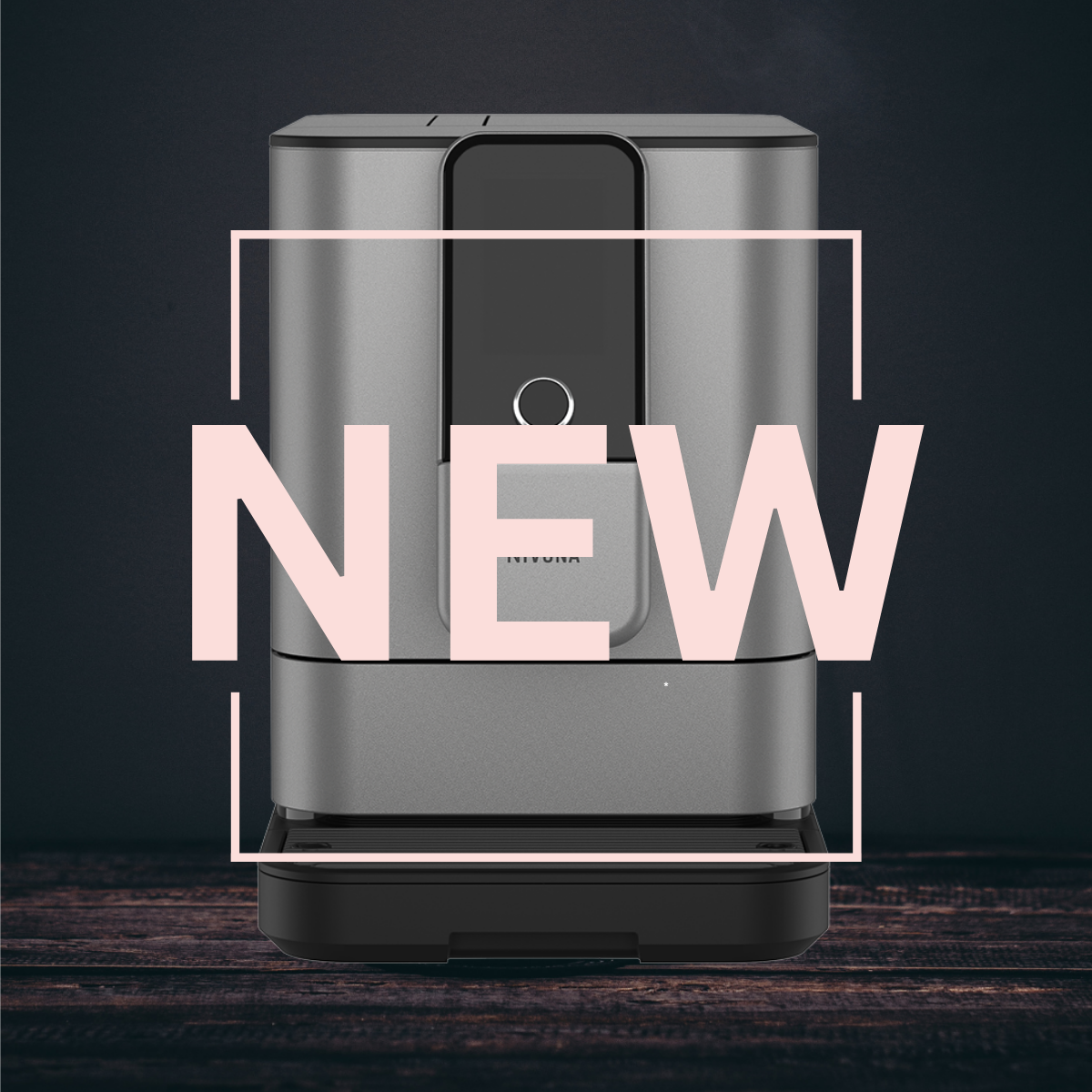



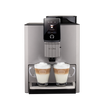
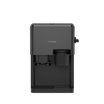
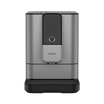
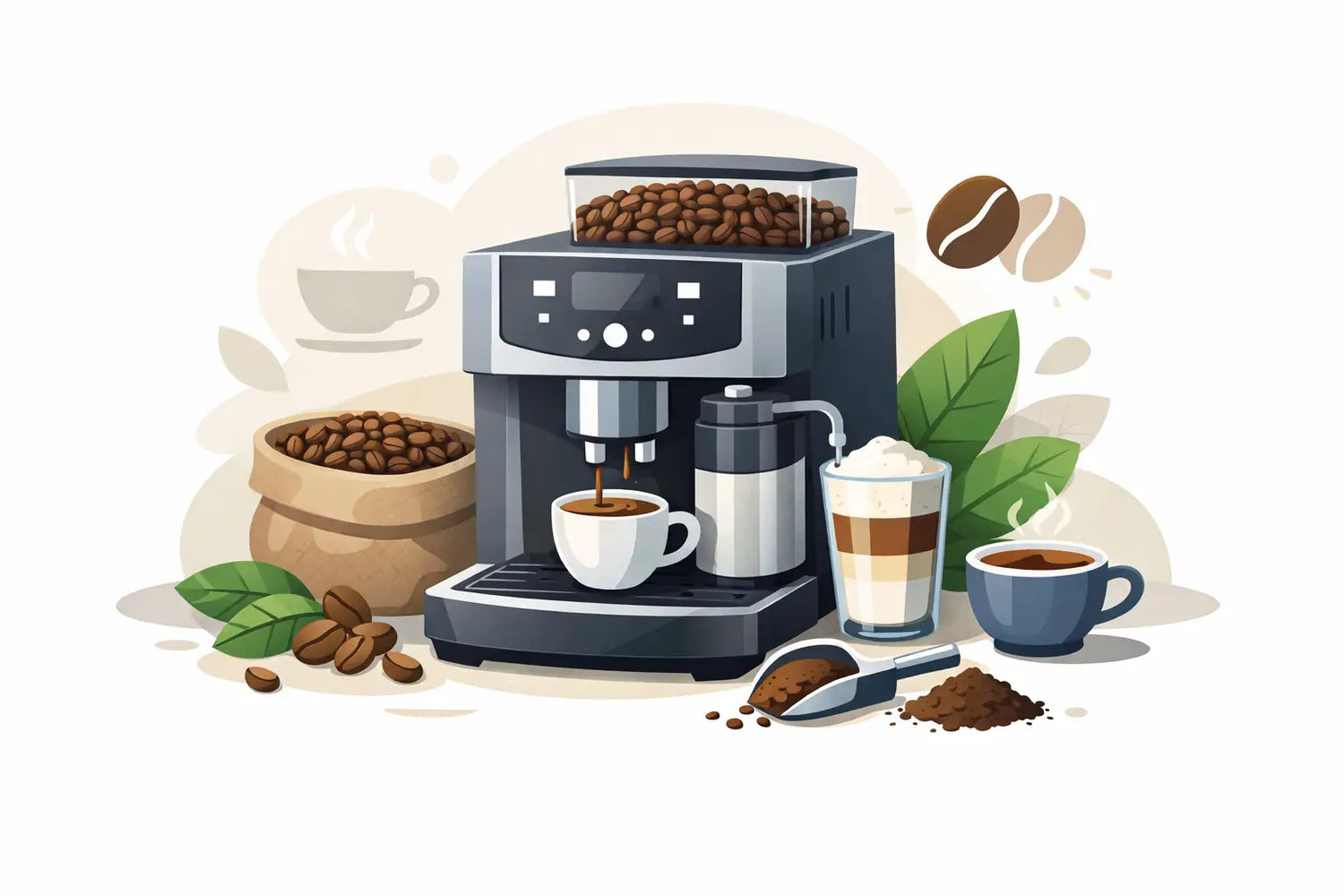
Freshly ground coffee at the touch of a button sounds simple, but that convenience is exactly why so many buyers ask, what is bean-to-cup coffee machine technology actually offering that other coffee makers do not. If you want café-style coffee at home or in a small office without learning manual espresso technique, a bean-to-cup machine is designed for that middle ground - premium results with far less effort.
What is bean-to-cup coffee machine technology?
A bean-to-cup coffee machine is an automatic coffee machine that grinds whole coffee beans, brews the coffee, and dispenses the drink in one integrated process. Instead of using pre-ground coffee or capsules, it starts with whole beans stored in a hopper, then grinds only what is needed for each cup.
That difference matters more than it may seem. Grinding immediately before brewing helps preserve aroma and flavor, which is why bean-to-cup machines usually deliver a fresher taste than pod systems or machines that rely on coffee ground days or weeks earlier.
Most bean-to-cup machines are built to handle the work that many people do not want to do manually. They measure, grind, tamp, brew, and often froth milk with minimal input from the user. In practical terms, that means you can move from whole beans to espresso, black coffee, cappuccino, or latte with much less hands-on effort than a traditional espresso setup requires.
How a bean-to-cup coffee machine works
Inside the machine, several systems work together. First, beans are stored in a hopper and fed into a grinder, often a conical burr grinder made from durable steel. The machine grinds a portion of beans according to the selected drink and strength setting.
Next, the ground coffee moves into the brewing unit. Water is heated to the right brewing temperature and pushed through the coffee under pressure. The machine then dispenses the finished drink into your cup. If the model includes a milk system, it can also froth milk automatically for milk-based recipes.
This process is fast, but not all machines handle it equally well. Better models tend to offer more precise grinder settings, more stable brewing performance, better milk texture, and easier maintenance. That is often where the price differences come from.
What makes it different from other coffee machines?
The easiest way to understand a bean-to-cup machine is to compare it with the alternatives.
A drip coffee maker is simple and good for larger quantities, but it does not produce espresso-style coffee or milk drinks with the same depth and pressure-based extraction. A capsule machine is convenient and clean, but it limits bean choice and often costs more per cup over time. A manual espresso machine can produce excellent results, but it asks much more from the user in terms of grinding, dosing, tamping, and cleaning.
Bean-to-cup machines sit between those worlds. They offer more freshness and control than capsules, more specialty drink capability than basic drip machines, and far less complexity than manual espresso equipment. For many households, that balance is the main appeal.
Who should buy a bean-to-cup coffee machine?
If your ideal morning coffee is quick, consistent, and made from fresh beans, this type of machine makes sense. It is especially well suited to people who drink coffee every day and want better quality than a pod machine can usually provide.
It is also a strong choice for homes with more than one coffee preference. One person may want a stronger espresso, another may prefer a longer black coffee, and someone else may want milk-based drinks. A good bean-to-cup machine can adapt to those preferences without turning every cup into a small project.
In small offices, the same logic applies. People want reliable coffee without depending on one staff member to operate a complicated machine. Automatic brewing, two-cup preparation, and guided cleaning programs make a practical difference in shared environments.
On the other hand, if you only drink coffee occasionally, or you enjoy the craft of manual espresso as a hobby, a bean-to-cup machine may not be the perfect fit. Convenience is its strength, not ritual.
The real benefits of bean-to-cup ownership
Freshness is the headline benefit, but daily ease is often what keeps people satisfied long term. A good machine reduces friction. You add beans, fill the water tank, choose your drink, and the machine handles the rest.
Consistency is another major advantage. Once settings are dialed in, the machine can repeat the same cup quality day after day. That matters for busy mornings, shared households, and offices where people expect coffee to taste familiar each time.
There is also more flexibility than many first-time buyers expect. Most machines let you adjust coffee strength, water volume, temperature, and sometimes grind level. That means the machine is automatic, but not rigid.
For buyers who care about ownership experience, maintenance design is just as important as taste. Features such as removable brewing units, automatic rinsing, descaling prompts, and cleaning programs make the machine much easier to live with over time. That is a meaningful advantage over systems that are harder to clean properly.
What to look for when comparing models
Not every bean-to-cup machine is built with the same priorities. Some focus on compact size, others on milk drinks, quiet operation, or deeper drink customization.
Start with the basics. Think about how many coffees you make per day, whether you mainly drink black coffee or milk-based drinks, and how much control you want over strength and volume. If more than one person will use the machine, user profiles or easy repeat settings can be very useful.
Then look closely at cleaning and care. This is where a premium machine often justifies its price. Automatic cleaning programs are helpful, but access matters too. A removable brewing unit, clear maintenance alerts, and easy-to-clean milk components can save time and reduce frustration.
Grinder quality also deserves attention. Hardened steel conical grinders are valued because they are durable and consistent. That may sound like a technical detail, but it directly affects cup quality and long-term reliability.
Are there any downsides?
There are a few, and it is better to be clear about them.
First, a bean-to-cup coffee machine costs more upfront than a basic drip brewer or entry-level capsule machine. If budget is the only factor, simpler machines will always be cheaper.
Second, these machines still need regular care. They are convenient, but not maintenance-free. Coffee oils, milk residue, and mineral buildup all need attention. The good news is that many modern machines guide you through this with automatic programs and prompts.
Third, the coffee can be excellent, but the experience is different from a manual espresso machine operated by a skilled user. If someone wants full control over extraction and enjoys experimenting with every variable, automatic machines can feel limiting. For most people, though, that trade-off is exactly the point.
Is a bean-to-cup machine worth it?
If you buy whole beans regularly, drink coffee often, and want strong convenience without giving up freshness, the answer is usually yes. Over time, the value becomes less about the machine itself and more about the routine it improves. Better coffee at home, less waste than pods, fewer café runs, and less effort than manual brewing can make the investment feel very reasonable.
The right model depends on your habits. A compact machine may be enough for one or two coffee drinkers. A larger household or office may benefit from bigger water and bean capacity, two-cup functionality, and more drink options. Buyers who want the smoothest ownership experience should pay close attention to service support and maintenance design, not just drink menus.
That is one reason many customers prefer to buy from an official specialist such as My Nivona. Good coffee matters, but confidence in authenticity, product knowledge, and after-sales support matters too when you are choosing a machine meant to serve you every day.
A bean-to-cup coffee machine is, at its best, a practical luxury. It turns whole beans into real coffeehouse-style drinks with speed, consistency, and less effort than traditional espresso equipment. If that sounds like the kind of convenience you would actually use every morning, it is probably the kind of upgrade you will appreciate long after the first cup.

Leave a comment
This site is protected by hCaptcha and the hCaptcha Privacy Policy and Terms of Service apply.