



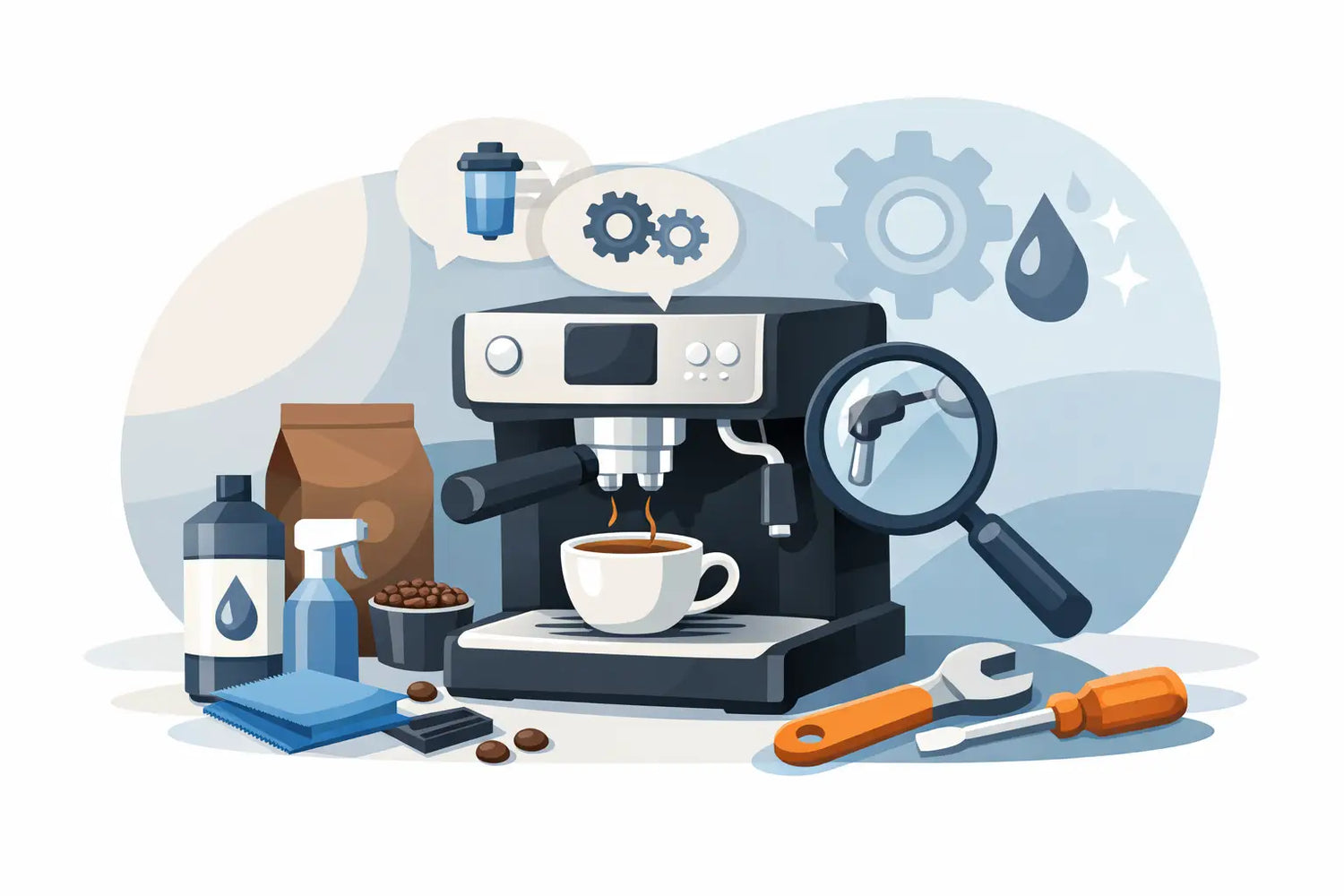
That flat, bitter cup usually does not mean your beans suddenly got worse. More often, it means your machine is asking for care. A good guide to coffee machine maintenance is really a guide to protecting flavor, consistency, and the life of the machine you rely on every day.
Fully automatic coffee machines are designed to make great coffee feel easy. That convenience is the point. But easy ownership does not mean no ownership. Coffee oils, milk residue, and mineral buildup all affect performance over time, and each one shows up differently in the cup. If you understand what needs attention and when, maintenance becomes quick, predictable, and far less expensive than avoidable repairs.
Why coffee machine maintenance affects taste first
Most people notice maintenance issues in flavor before they notice them in mechanics. Coffee oils build up inside the brewing path and turn rancid. Mineral deposits from hard water narrow internal channels and interfere with brewing temperature. Milk systems collect residue that changes texture and freshness. The result is coffee that tastes dull, harsh, weak, or inconsistent.
This is why routine care matters even when the machine still appears to be working normally. A machine can grind, brew, and dispense while quietly losing the qualities you bought it for in the first place - aroma, body, crema, and stable performance from cup to cup.
There is also a practical ownership benefit. Regular care reduces strain on pumps, heaters, and internal seals. In other words, maintenance is not just about cleanliness. It is about helping the machine do its job with less effort.
Your guide to coffee machine maintenance by task
The simplest way to approach maintenance is by frequency rather than by technical complexity. Most users do better with a rhythm than with a long checklist.
After each use
If your machine has a milk function, clean the milk system immediately or run the automatic rinse as soon as you finish preparing milk drinks. Milk residue is fast to form and unpleasant to remove once it dries. If you switch between cappuccinos in the morning and black coffee later in the day, this one habit makes a noticeable difference.
Empty the drip tray and coffee grounds container before they become overfull, especially in shared kitchens or offices. Waiting too long increases odor, moisture, and the chance of residue spreading into surrounding areas. It also makes the machine feel less premium to use.
A quick wipe of the coffee spouts, cup area, and exterior panels helps more than most people expect. It keeps stray oils and splashes from turning into stubborn buildup.
Every few days
Rinse the water tank and refill it with fresh water. Water that sits too long can affect taste, even if it looks clean. Check the bean hopper as well. Oily beans can leave residue behind, and old beans lose aroma quickly once exposed to air.
If your machine has a removable brewing unit, take it out according to the manufacturer instructions, rinse it with lukewarm water, and let it air dry fully before reinserting it. This is one of the easiest ownership advantages on machines built for straightforward care. It gives you direct access to a part that plays a major role in extraction quality.
Be careful not to use dish soap on brewing units unless the manufacturer specifically recommends it. Soap residue can remain on the components and affect both operation and taste.
Weekly or as prompted
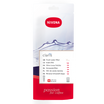
Run the machine's automatic cleaning program when prompted, using the correct cleaning tablets or approved products. This cycle is designed to dissolve coffee oils in places you cannot reach manually. Skipping it may not cause immediate failure, but it often leads to slower decline in quality that users wrongly blame on beans or settings.
This is also a good time to check the milk tube, frother components, and dispensing area more closely. If milk foam becomes thinner or less consistent, residue is often the reason. Some issues that feel mechanical are simply cleaning issues in disguise.
Descaling is not the same as cleaning
A proper guide to coffee machine maintenance has to make one distinction very clear: cleaning removes coffee and milk residue, while descaling removes mineral deposits from water.
Both matter, but they solve different problems. If your machine tastes off, runs slowly, heats less effectively, or displays a descaling alert, mineral buildup may be involved. In areas with harder water, descaling becomes especially important because limescale forms faster inside the machine's water circuit.
Automatic descaling programs are there for a reason. Use them when the machine recommends it or according to your water hardness and usage level. Ignoring the schedule usually costs more later, either in reduced performance or in service needs that could have been avoided.
The right interval depends on your setup. A household making two or three drinks per day with filtered water may descale less often than a busy office machine using unfiltered tap water. It depends on both volume and water quality, not just time on the calendar.
Water, beans, and settings all influence maintenance needs
Not every machine ages the same way because not every kitchen uses the machine the same way. Water hardness is one of the biggest variables. If your machine allows you to set water hardness during setup, do it accurately. That helps the system time maintenance reminders more effectively.
Bean choice matters too. Very oily dark roasts can leave more residue in grinders and brewing systems than drier medium roasts. That does not mean you cannot use them, but it may mean you need to clean more often and pay closer attention to how the grinder and brew path perform over time.
Settings can also play a role. Finer grinds, higher coffee volumes, and frequent milk use all increase the machine's workload. None of this is a problem - these machines are built for daily use - but the maintenance rhythm should match the way you actually drink coffee.
What not to do
Good maintenance is as much about avoiding the wrong shortcuts as following the right steps. Do not use household vinegar unless the manufacturer explicitly says it is acceptable. It can be too aggressive for internal components and may leave lingering odor and taste.
Do not force removable parts if they resist. Brewing units, trays, and covers are meant to come out smoothly when handled correctly. If something sticks, check the instructions and the machine's position first.
Avoid generic cleaners when approved products are available. The wrong tablet or descaling solution can be ineffective at best and damaging at worst. Premium machines are engineered with specific care cycles in mind, so the maintenance products should match that standard.
It is also wise not to wait for a visible problem. By the time you see heavy residue or experience a major taste issue, the machine has usually been compensating for some time.
Signs your machine needs attention sooner
Sometimes the machine tells you directly through maintenance alerts. Other times, the signs are more subtle. Coffee may come out cooler than usual, dispense more slowly, or vary in strength from one cup to the next. Milk foam may look larger-bubbled or less silky. You might notice extra noise during brewing or rinsing.
These are not always signs of serious faults. Often they point to overdue cleaning, descaling, or a blocked component. The reassuring part is that prompt care usually resolves small issues before they become expensive ones.
For homes and offices that depend on reliable daily performance, this is where brand-level support matters. Official guidance, compatible cleaning products, and service familiarity make ownership simpler because you are not guessing your way through maintenance.
A maintenance routine that feels realistic
The best routine is the one you will actually keep. For most users, that means combining daily quick care with machine-guided deep cleaning when prompted. Empty what fills, rinse what touches milk, refresh the water, and follow the automatic cleaning and descaling programs on time.
If your machine includes convenience-focused features such as a removable brewing unit and guided care programs, use them fully. They are not extras. They are part of what makes premium coffee at home or in a small office practical rather than complicated.
With a machine like a NIVONA, maintenance should feel built into ownership, not added on top of it. That is the difference between a machine that simply makes coffee and one that stays enjoyable to live with.
The real goal is not a spotless appliance for its own sake. It is that first cup of the day tasting exactly the way you expect, without surprises, slowdowns, or second thoughts.

Atstāt komentāru
This site is protected by hCaptcha and the hCaptcha Privacy Policy and Terms of Service apply.