



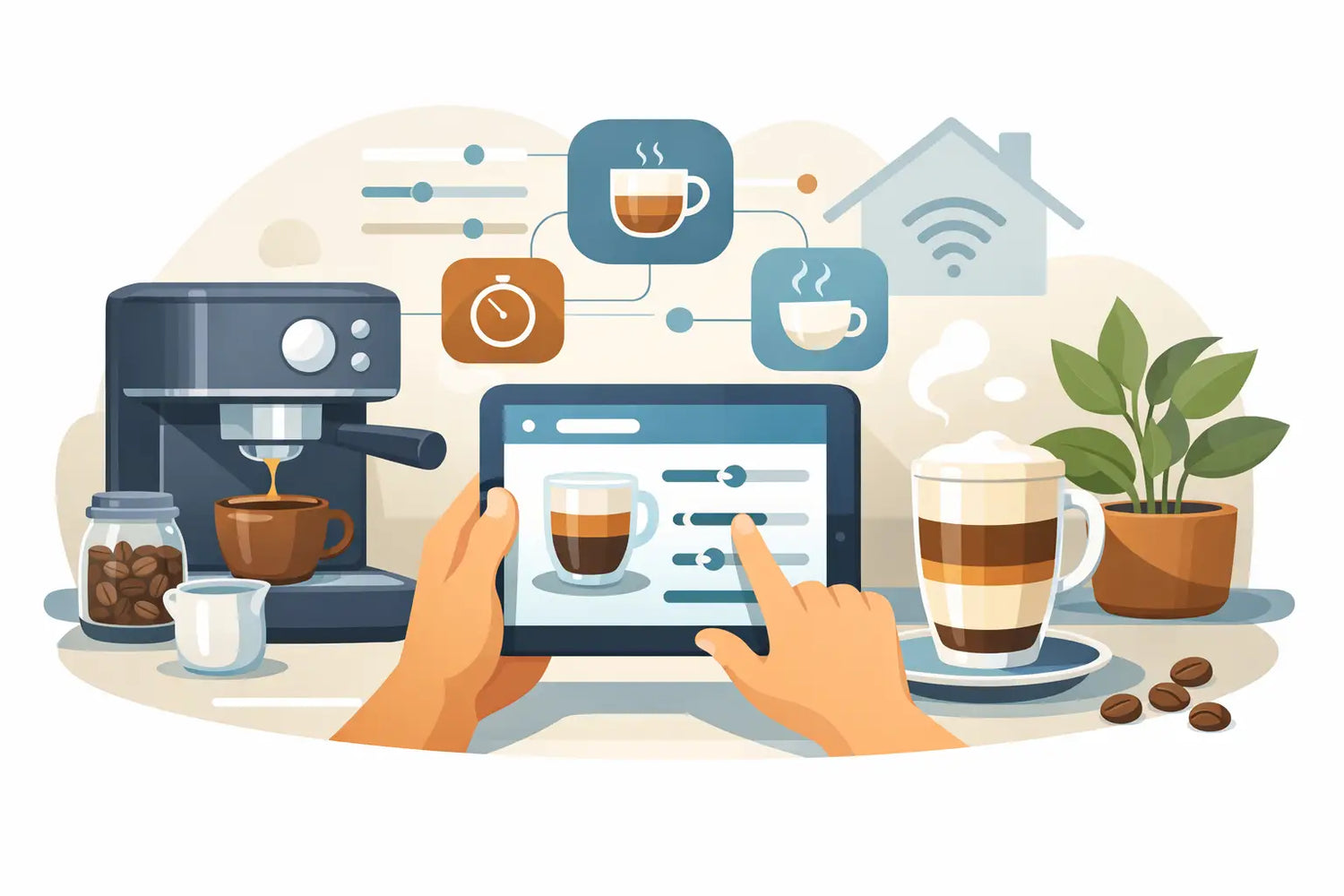
That first cup tells you everything. If your morning coffee is sometimes perfect and sometimes oddly weak, bitter, or too short, the issue usually is not the beans alone - it is the recipe. Learning how to program coffee recipes gives you control over the cup without turning every brew into a daily experiment.
For most people, that is the real value of a premium bean-to-cup machine. You are not standing at the counter guessing ratios or adjusting by feel every morning. You are building repeatable drinks that suit your taste, your mug size, and your routine. Once the right settings are saved, the machine does the hard part consistently.
How to program coffee recipes without overcomplicating it
Programming a coffee recipe sounds technical, but in practice it comes down to a few variables that shape flavor and texture. Most automatic coffee machines let you adjust coffee strength, drink volume, temperature, and, on milk-based drinks, the balance between coffee and milk. Some also let you save custom user profiles, which matters in homes or offices where one person likes a short, strong espresso and another wants a larger, smoother cup.
The easiest mistake is changing everything at once. If a drink tastes off, adjust one setting, brew again, and compare. That gives you a clear sense of what actually improved the result.
A second mistake is treating every bean the same way. Darker roasts often benefit from a slightly lower temperature or a less aggressive strength setting to avoid harshness. Lighter roasts can handle a bit more intensity and sometimes need a slightly larger coffee dose or tighter recipe to keep the flavor from tasting thin. The best programmed recipe depends on the beans in the hopper.
Start with the four settings that matter most
If you want a reliable recipe, begin with strength, volume, temperature, and grinder setting. These four do most of the work.
Coffee strength
Strength usually controls how much ground coffee the machine uses for the drink. More coffee generally means more body, more aroma, and a fuller finish. It can also increase bitterness if the bean is already dark or the shot is too long.
If your coffee tastes watery, raise the strength before you increase the volume. If it tastes heavy or sharp, reduce the strength first. This is often a better fix than changing several settings at once.
Drink volume
Volume changes concentration more than people expect. A small espresso recipe can taste rich and balanced, while the same amount of coffee stretched into a large cup may taste flat.
When programming recipes, match the volume to the style of drink. Espresso should stay compact. Coffee or americano-style drinks can go larger, but they still need enough coffee behind them. If your machine allows separate programming for coffee and hot water, use that instead of pushing one espresso shot far beyond its ideal range.
Temperature
Temperature affects both flavor and comfort. Too cool, and the cup feels dull. Too hot, and subtle notes disappear behind bitterness or a scorched taste.
This is where personal preference matters. Some people want a drink that is ready to sip immediately. Others want a hotter cup that holds temperature longer in a larger mug. Milk drinks usually need a different balance than black coffee because milk softens the perception of heat and intensity.
Grinder setting
Not every machine is adjusted the same way, and grinder changes should be made carefully, but grind size still plays a major role. A finer grind can increase intensity and improve body. Too fine, and the coffee may become harsh or slow to flow properly. Too coarse, and the drink can taste thin.
If your machine has a hardened steel conical grinder with adjustable settings, small changes are enough. Move gradually and test before changing again.
How to program coffee recipes for espresso, coffee, and milk drinks
Different drinks need different logic. A good espresso recipe is not the same as a good cappuccino recipe, and programming them as if they are interchangeable usually leads to disappointment.
Espresso
For espresso, aim for concentration and clarity. Keep the volume short, set strength at a medium-high level, and avoid overextending the drink. If it tastes sour or too light, increase strength slightly or refine the grind. If it tastes burnt or overly bitter, reduce temperature or lower the strength a step.
A good programmed espresso should taste deliberate, not merely strong.
Regular coffee or long coffee
For a larger black coffee, balance matters more than intensity alone. You want enough volume for a satisfying cup, but not so much that the brew loses structure.
This is where recipe programming helps most. Instead of manually stopping the machine each time, you can save a larger cup size with the right strength to support it. The result feels more polished and more consistent, especially on busy mornings.
Cappuccino and latte-style drinks
Milk drinks require attention to sequence and proportion. If your machine lets you adjust milk volume separately from coffee volume, use that feature. Too much milk can bury the coffee. Too little can make the drink feel sharp instead of smooth.
For cappuccino, a stronger coffee base usually works better because milk naturally softens bitterness and intensity. For latte-style drinks, you may prefer a slightly larger milk portion and a smoother temperature setting. Neither is universally right. It depends on whether you want the coffee to lead or support.
Save recipes for real life, not for testing
A programmed recipe should fit the way you actually drink coffee. That sounds obvious, but people often build recipes based on what seems ideal rather than what they use every day.
If your weekday coffee goes into a travel mug, program that volume. If two people use the machine every morning, save separate profiles. If your office tends to favor milk drinks in the afternoon, make those available without requiring staff to reset the machine each time.
Convenience is part of quality. A machine that remembers your settings saves time, reduces waste, and removes small frustrations that add up over weeks of use.
What to adjust when the taste is off
Even a well-programmed recipe may need seasonal or bean-related changes. Fresh beans age. Roast levels vary. Humidity can affect grinding and extraction. When a favorite drink starts tasting different, use the result in the cup as your guide.
If the drink tastes weak, reduce volume or increase strength. If it tastes too bitter, lower temperature slightly or shorten the recipe. If a milk drink feels bland, increase the coffee portion before reducing milk. If the flavor is good but the cup is not hot enough, temperature is the first setting to revisit.
There is always some trade-off. A hotter drink may lose a bit of nuance. A stronger recipe may taste less smooth with darker beans. Programming coffee recipes well is about choosing the balance you prefer, not chasing a single perfect formula.
Why machine care affects your programmed recipes
A recipe only works as intended if the machine is working cleanly and consistently. Old coffee oils, scale buildup, or milk residue can distort flavor and reduce repeatability. That is why automatic cleaning and descaling programs are not just maintenance extras. They are part of cup quality.
The same goes for the brewing unit and milk system. Machines designed for easy ownership make this simpler because regular care is less likely to be postponed. When the machine is clean, your saved settings have a better chance of producing the same result day after day.
This matters even more in shared environments. In a household with multiple users, or a small office where several drinks are made throughout the day, small shifts in cleanliness quickly show up in the cup.
When to keep it simple
Not every user needs six custom drinks and multiple user profiles. Sometimes the smartest approach is to program just three dependable recipes: a short black coffee, a larger morning coffee, and one milk-based drink. That covers most routines without filling the menu with variations you rarely use.
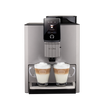
For many buyers, this is exactly why a premium automatic machine makes sense. You get café-style flexibility without manual complexity. Brands like NIVONA are built around that balance - enough adjustment to personalize the drink, with everyday operation that stays straightforward.
If you are still experimenting, start small. Build one recipe you genuinely enjoy, save it, and live with it for a few days. Then refine from there. Good coffee at home is rarely about doing more. It is usually about doing less, but doing it consistently.
The best programmed recipe is the one that makes your next cup easy to trust.

Atstāt komentāru
This site is protected by hCaptcha and the hCaptcha Privacy Policy and Terms of Service apply.