
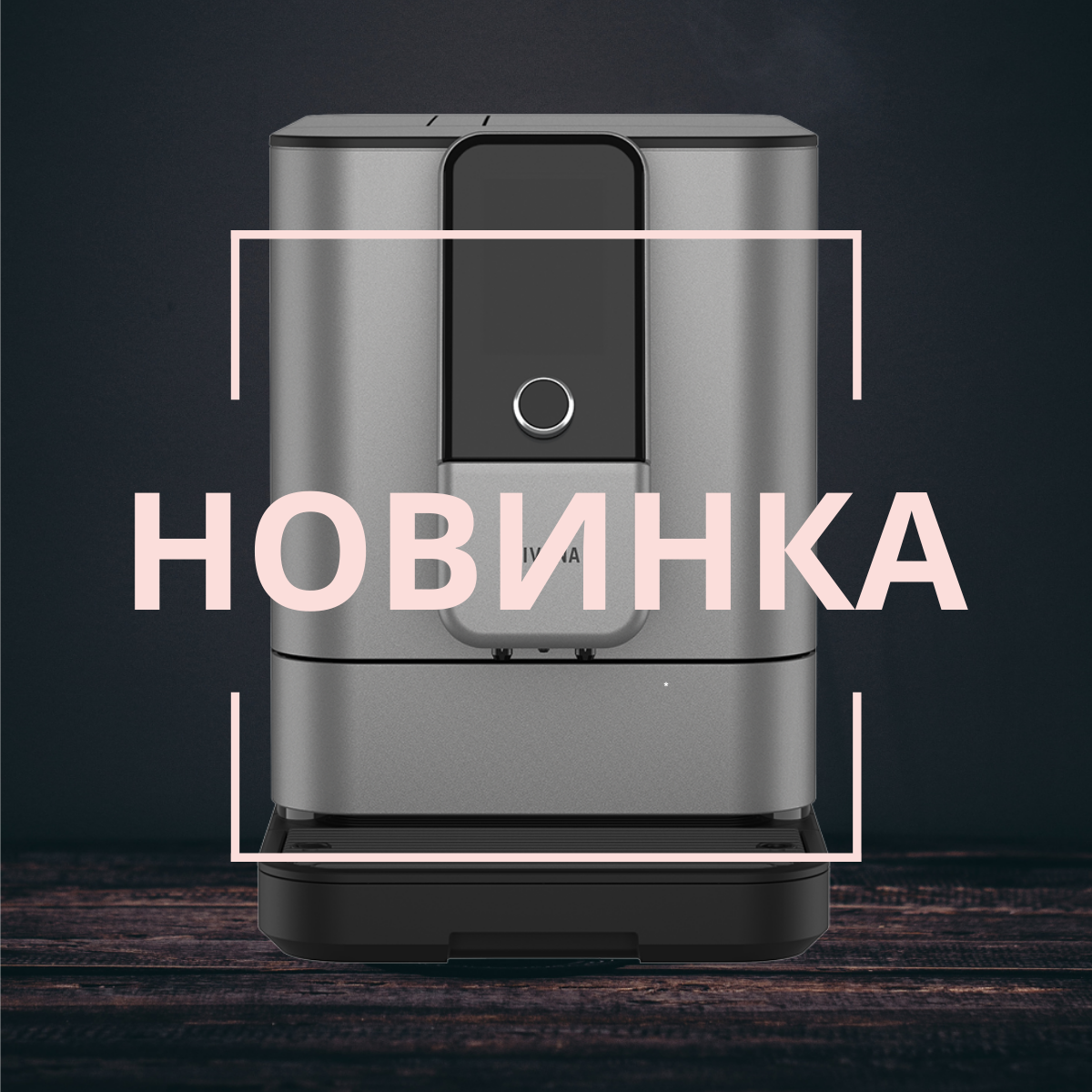



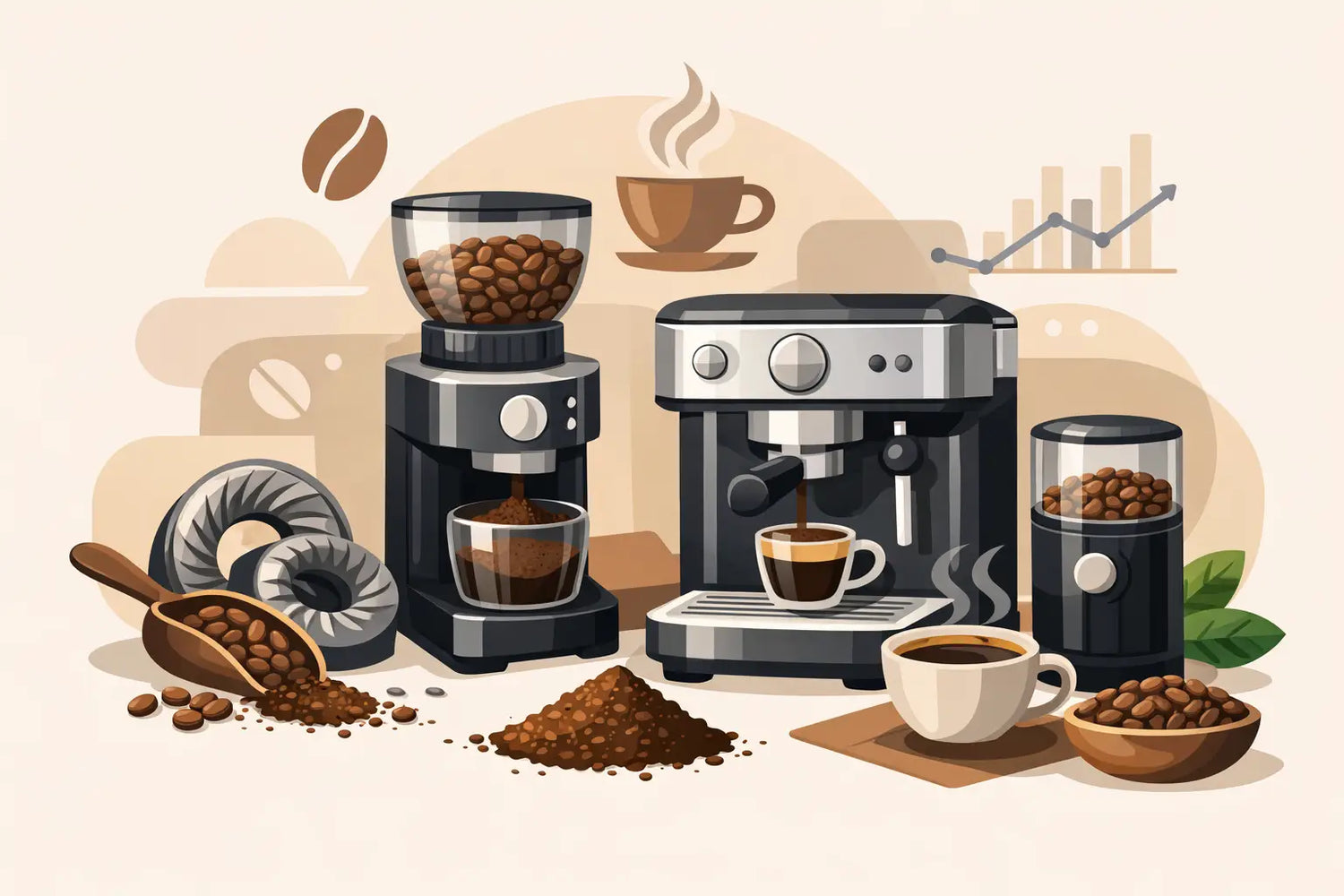
A coffee machine can have excellent brewing technology, smart programming, and convenient automatic cleaning, but if the grinder is poor, the cup will show it immediately. That is why any useful guide to coffee machine grinders has to start with one simple point: grinding is not a side feature. It is one of the main reasons one machine produces balanced, aromatic coffee while another gives you sour shots, weak crema, or bitter results.
For most households and small offices, the grinder decides whether daily coffee feels consistently premium or slightly frustrating. It affects extraction, noise, maintenance, drink strength, and even how often you need to adjust settings when you change beans. If you want café-style coffee at home without turning every morning into a technical project, understanding the grinder is worth your time.
Why the grinder matters more than many buyers expect
Coffee starts losing aroma quickly after grinding. Pre-ground coffee can still be convenient, but whole beans preserve more of the oils and volatile compounds that create sweetness, depth, and complexity in the cup. A built-in grinder closes that gap between storage and brewing.
The more important detail, though, is grind consistency. Good grinders produce particles that are relatively even in size. That matters because water moves through coffee grounds unevenly when particle sizes vary too much. The finer particles over-extract and taste bitter. The larger pieces under-extract and taste thin or sour. A better grinder helps the machine brew coffee that tastes rounder, cleaner, and more reliable from one cup to the next.
This is especially valuable in fully automatic machines, where the appeal is convenience. You want to press a button and trust the result. If the grinder is inconsistent, no amount of menu convenience fully fixes the cup.
Guide to coffee machine grinders: blade vs burr
Not all grinders work the same way. The biggest divide is between blade grinders and burr grinders.
Blade grinders chop beans with a spinning blade. They are usually cheaper, but they do not grind with much precision. The result is an uneven mix of fine dust and larger pieces. That can be acceptable for very casual coffee use, but it is not ideal for espresso or bean-to-cup machines that depend on controlled extraction.
Burr grinders crush beans between two grinding surfaces. This creates a more uniform grind and gives you better control over particle size. For anyone buying a premium automatic coffee machine, a burr grinder is the standard worth looking for.
Within burr grinders, there are flat burrs and conical burrs. Flat burrs can perform very well, but conical burrs are a popular choice in home and office machines because they are compact, effective, and well suited to daily use. Hardened steel conical grinders are particularly valued for durability and consistent performance over time.
What a conical grinder does well
A conical burr grinder feeds beans through a cone-shaped burr set, grinding them into consistent particles before brewing. In practical terms, that means better extraction and fewer wild swings in flavor.
For everyday users, the advantages are straightforward. You get more dependable results, better aroma, and a system that fits neatly inside an automatic machine. High-quality hardened steel burrs also hold up well under repeated use, which matters if your machine prepares several cups a day in a busy household or office kitchen.
There are trade-offs. No grinder is completely silent, and some bean varieties are naturally harder or oilier than others. Very dark, oily beans can create more residue and may require more frequent cleaning. But in normal use, a well-built conical grinder offers a strong balance of cup quality, durability, and convenience.
How grind size changes the taste in your cup
If your coffee machine allows grinder adjustment, even in a limited range, this is where small changes can make a noticeable difference.
A finer grind slows water flow and increases extraction. That can improve body and intensity, but if you go too fine, the coffee may taste bitter, harsh, or overly heavy. A coarser grind speeds water flow and reduces extraction. That can brighten the cup, but if it is too coarse, coffee may taste weak, watery, or sour.
The right setting depends on the beans, roast level, humidity, and the style of drink you want. Lighter roasts often need a slightly different approach than darker roasts. Fresh beans can behave differently from older beans. Even seasonal changes in room conditions can shift results slightly.
This is why a grinder should not be judged only by whether it has many settings. What matters is whether the machine lets you make useful adjustments and then delivers consistent performance once you find the sweet spot.
What to look for in a coffee machine grinder
If you are comparing machines, the grinder deserves more attention than many product pages give it. A few features make a real difference in ownership.
First, look at burr material and build quality. Hardened steel burrs are a strong sign of durability. They are designed for regular use and help maintain grind consistency over time.
Second, consider how the grinder works within the machine. A fully automatic system should feel coordinated, not temperamental. Bean feeding, grinding, brewing, and maintenance should support each other. This is one reason premium bean-to-cup machines stand apart from entry-level options. They are designed as complete systems rather than a collection of separate parts.
Third, think about adjustment. More settings are not always better if the user experience becomes complicated. For most homes and offices, practical control matters more than endless tinkering.
Finally, pay attention to maintenance access. Coffee oils and fine particles build up. Machines that are easier to clean and care for tend to stay more consistent and feel easier to own long term.
Common grinder problems and what they usually mean
When coffee quality changes, the grinder is often part of the story.
If espresso starts tasting weak, the grind may be too coarse, the beans may be too old, or the grinder may have residue affecting performance. If coffee turns sharply bitter, the grind may be too fine or the machine may need cleaning. If the aroma seems flat, the issue may be stale beans rather than the grinder itself.
Noise can also change over time. Some variation is normal, especially with different bean sizes and roast styles. But a noticeably strained sound can point to buildup, an unsuitable bean type, or the need for service.
The good news is that many grinder-related issues are manageable with the basics: fresh beans, sensible grind adjustments, and regular cleaning. In a quality automatic machine, that routine should feel straightforward rather than fussy.
Maintenance is part of grinder performance
A grinder is not a set-and-forget component. It works best when the whole machine is properly maintained.
Bean residue, coffee dust, and oils can affect both flavor and grinder behavior. That does not mean ownership needs to become complicated. It simply means routine care matters. Machines with automatic cleaning and descaling programs reduce the effort required, and designs with user-friendly access make day-to-day maintenance much less disruptive.
This is where premium engineering earns its value. A machine should help you maintain coffee quality, not make basic care feel like a chore. That is a major reason many buyers prefer a fully automatic system designed around easy ownership, with features such as removable brewing units and guided care programs alongside a high-quality grinder.
Choosing the right grinder setup for your lifestyle
The best grinder is not always the one with the most technical appeal. It is the one that fits how you actually drink coffee.
For a busy household, consistency and ease matter most. You want reliable espresso and milk drinks without constant adjustment. For a small office, durability and simple operation become even more important because multiple users will expect good results without learning barista technique.
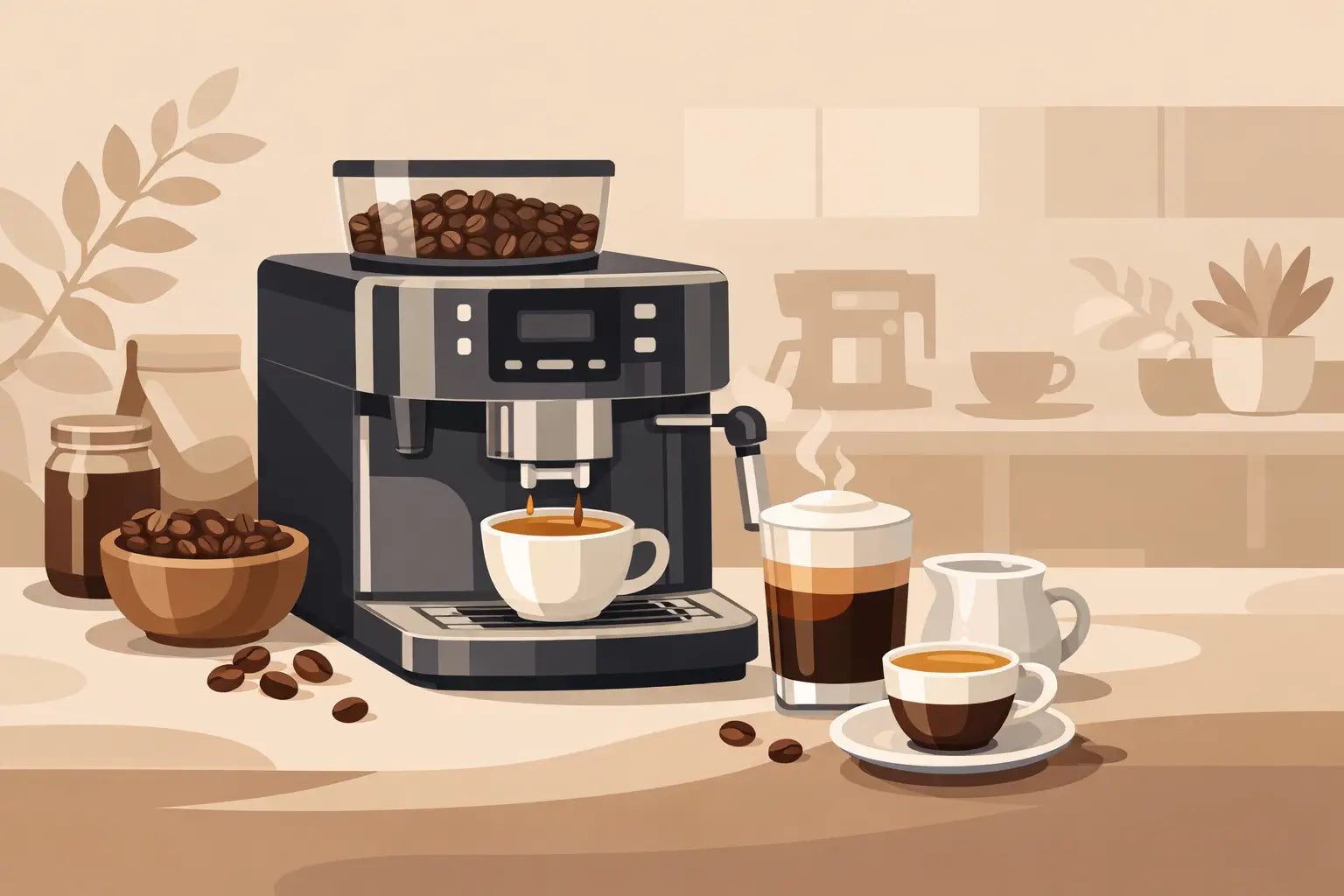
For more hands-on coffee drinkers, grinder control may matter more. But even then, convenience should not be dismissed. A well-designed bean-to-cup machine with a hardened steel conical grinder can provide an excellent middle ground between quality and daily comfort.
That balance is exactly why many buyers move up from capsules or basic drip machines. They want fresher coffee, stronger aroma, and better texture, but they also want the process to remain easy.
A smart guide to coffee machine grinders starts with the cup
It is easy to compare machines by display size, drink menus, or exterior finish. Those details matter, but the grinder has a more direct effect on what ends up in your cup. A good grinder supports flavor, consistency, and the kind of low-friction ownership that makes premium coffee feel practical every day.
If you are shopping for a machine, look beyond the headline features and ask how the grinder is built, how it is maintained, and how it performs over time. At My Nivona, that focus on quality components and easy everyday use is part of what makes a premium automatic machine feel worth bringing home.
The best coffee setup is not the one that asks the most from you. It is the one that quietly does more, cup after cup.

Оставить комментарий
Этот веб-сайт защищается hCaptcha. Применяются Политика конфиденциальности и Условия использования hCaptcha.