







That flat, slightly bitter cup is often not a bean problem. It is usually a machine problem. If you are wondering how to clean coffee machine components properly, the good news is that good coffee and easy maintenance usually come down to a simple routine, not complicated technical work.
For households and small offices, cleaning is less about making the machine look polished and more about protecting taste, performance, and reliability. Coffee oils turn rancid, milk residue builds quickly, and mineral scale quietly reduces efficiency over time. A premium bean-to-cup machine is designed to make great coffee with less effort, but it still needs regular care to keep doing its job well.
Why cleaning matters more than most owners think
A coffee machine works in a demanding environment. Heat, pressure, moisture, milk, and finely ground coffee all meet in a compact system several times a day. That creates residue in places you can see, like the drip tray and milk spout, and in places you cannot, like the brew path and internal water circuits.
The first thing you notice is usually taste. Coffee may start tasting dull, harsh, or oddly sour. The crema can look weaker. Milk foam may lose its smooth texture. If the machine is also taking longer to brew or showing cleaning alerts more often, buildup is already affecting performance.
Cleaning also helps avoid the kind of ownership experience nobody wants. A neglected machine is more likely to clog, smell unpleasant, or require service earlier than expected. Regular care is not just about hygiene. It is part of protecting the machine you paid for.
How to clean coffee machine systems without overcomplicating it
The easiest approach is to think in layers. Some parts need daily attention, some need weekly cleaning, and some are handled by automatic cleaning or descaling programs. Once that rhythm is in place, maintenance feels quick rather than annoying.
Start with the parts that touch coffee and milk every day
If your machine makes black coffee only, daily cleaning is straightforward. Empty the drip tray and used coffee grounds container, rinse them with warm water, and wipe them dry before putting them back. Old moisture and compacted grounds are what create odor fastest.
The water tank also deserves a quick rinse and refill with fresh water. Leaving water sitting for too long affects taste, especially if the machine is used lightly. Wipe the coffee outlet if splashes or residue are visible.
If your machine prepares milk drinks, the milk system needs more discipline. Milk residue is less forgiving than coffee oil. Rinse or run the milk cleaning function after use, and wash removable milk tubes or containers according to the manufacturer’s care instructions. If milk dries inside a narrow passage, it becomes much harder to remove later.
Clean removable parts gently, not aggressively
Many modern automatic machines are designed for easier ownership, and that matters here. Removable brewing units, drip trays, water tanks, and milk containers simplify cleaning because you can access the areas where residue naturally builds.
Warm water and a soft cloth are usually enough for daily and weekly care. Harsh scrubbing, abrasive pads, and strong household chemicals can damage surfaces or seals. Premium machines are built for repeat use, but they still benefit from careful handling.
A common mistake is assuming that more force means deeper cleaning. In reality, consistency matters more than intensity. A quick rinse done regularly is better than a rare, aggressive deep clean.
Weekly care keeps buildup from becoming a problem
Pay attention to the brewing unit
If your machine has a removable brew unit, take it out on a regular basis and rinse it with lukewarm water. Let it air dry fully before reinserting it. This helps remove coffee residue that can affect extraction and create stale flavors.
Do not use dish soap on every brew unit unless the manufacturer specifically allows it. In many cases, plain water is preferred because soap residue can remain in moving parts. The exact interval depends on use. In a busy household or office, once a week is a sensible baseline.
Wipe the interior where loose grounds collect
Open the service door and check the area around the brew unit. Stray grounds and moisture often collect there. A soft cloth or paper towel is usually enough to tidy it up.
This is not glamorous maintenance, but it makes a visible difference. A clean interior reduces odor and helps moving parts operate as intended.
Check the bean hopper, but do not overclean it
The bean hopper can collect oil from darker roasts. If you notice a greasy film, wipe it with a dry or lightly damp cloth after the beans have been removed. Make sure everything is fully dry before adding fresh beans.
There is a trade-off here. Cleaning too frequently without need can interrupt use and expose beans to air more often. For most owners, occasional inspection is enough unless oily beans are part of the daily routine.
Automatic cleaning programs are there for a reason
Modern fully automatic machines are built to reduce maintenance friction. If your machine has automatic rinse, cleaning, or milk-system programs, use them when prompted rather than postponing them.
This is where well-designed machines stand out. The goal is not to turn the owner into a technician. It is to make routine care structured, predictable, and easy to follow. NIVONA machines, for example, are known for combining premium coffee quality with practical care features such as automatic cleaning programs and removable brewing units, which makes regular maintenance more manageable for everyday users.
The key is to use the right cleaning products intended for coffee machines, especially for internal cleaning cycles. Improvised solutions can create residue, damage components, or simply fail to remove buildup properly. A machine is a precision appliance, so care products should match that standard.
Descaling is different from cleaning
One reason people search how to clean coffee machine systems is that they are trying to solve every issue with one step. In practice, cleaning and descaling are related but different.
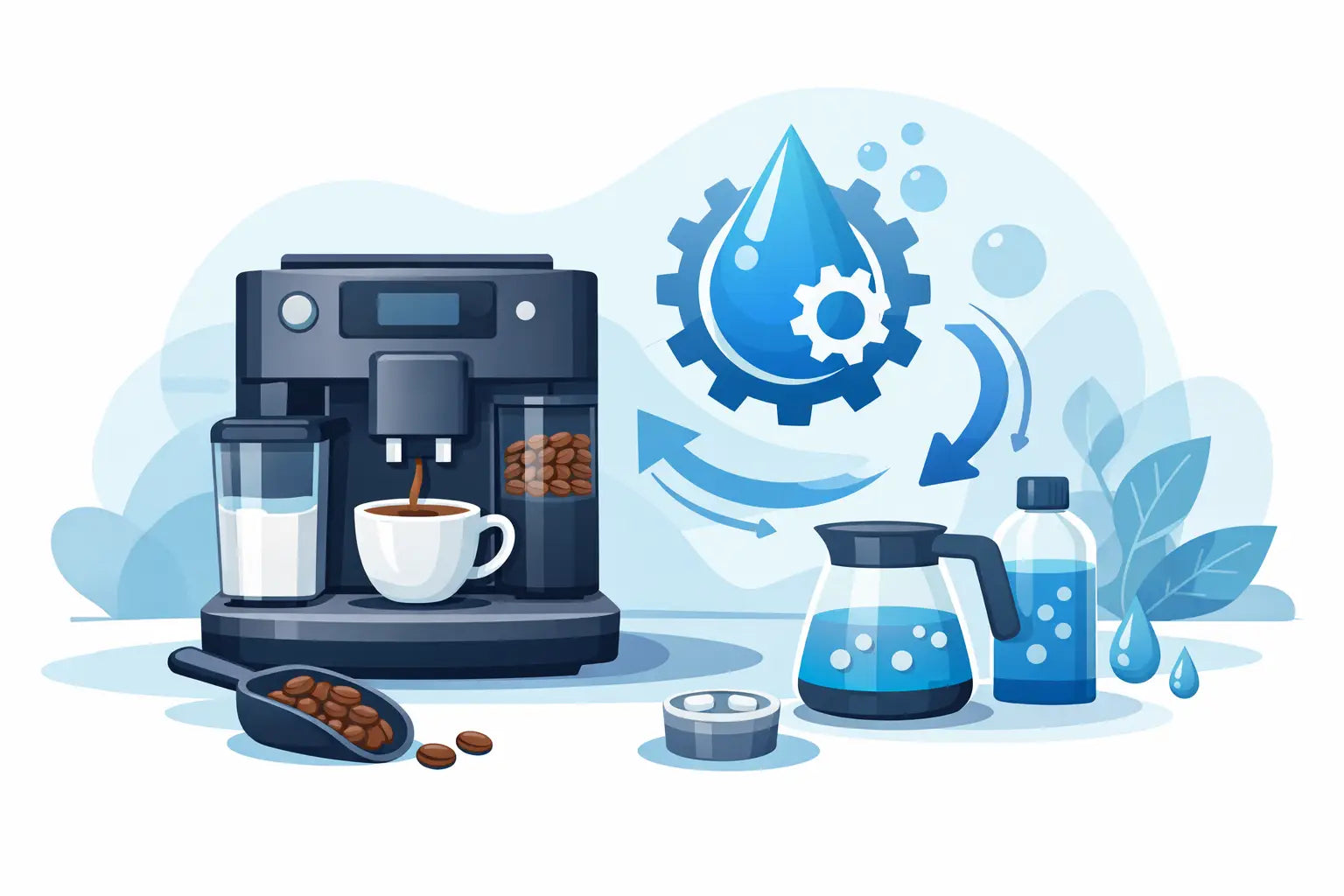
Cleaning removes coffee oils, grounds, and milk residue. Descaling removes mineral deposits left behind by water. If you skip descaling, heating efficiency drops and internal water flow can suffer. If you skip cleaning, the coffee path and milk system become the weak point.
How often you descale depends on water hardness and usage. A machine in a soft-water area may need it less often than one in a hard-water area. A busy office machine will also need more frequent attention than a home machine making two cups a day. If your machine tracks this automatically, trust the alert rather than guessing.
Common mistakes that shorten machine life
A few habits cause more trouble than owners expect. Leaving wet grounds in the container for days is one. Ignoring the milk system after making lattes is another. Using vinegar or generic cleaners inside a premium coffee machine is also risky unless the manufacturer specifically approves it.
Another common issue is delaying care because the machine still seems to work. Coffee machines rarely fail all at once. They usually decline gradually - weaker flavor, slower dispensing, noisier operation, inconsistent milk texture. Routine cleaning is what keeps those small changes from becoming bigger repairs.
There is also the temptation to disassemble more than necessary. If a part is not meant to be removed by the user, forcing access can do more harm than good. Good maintenance is about using the machine’s service features properly, not improvising a repair session on the kitchen counter.
A practical cleaning rhythm for home and office use
For most homes, daily emptying and rinsing of the drip tray, grounds container, and milk parts will cover the basics. Weekly brew-unit rinsing and interior wiping will handle the next layer. Then the machine’s automatic cleaning and descaling programs can manage deeper care as prompted.
In a small office, shorten the intervals. Shared machines produce more coffee, and shared responsibility often means tasks get skipped. A simple visible routine works best. If everyone uses the machine, someone should still clearly own the cleaning schedule.
That is usually the difference between a machine that stays reliable and one that becomes a workplace complaint.
What a clean machine should feel like
After proper cleaning, the change is usually obvious. Coffee tastes clearer. The machine smells fresh rather than stale. Milk drinks come out smoother, and the whole process feels more consistent from cup to cup.
That consistency is the real goal. A premium coffee machine should fit into daily life comfortably, whether it is making the first espresso of the morning at home or serving repeated coffees in a busy office kitchen. Keep the care routine simple, follow the machine’s cleaning prompts, and treat maintenance as part of good coffee rather than a chore that gets pushed to next week.


Оставить комментарий
Этот веб-сайт защищается hCaptcha. Применяются Политика конфиденциальности и Условия использования hCaptcha.