





If your cappuccino suddenly looks flat, tastes slightly off, or leaves a sour smell near the milk hose, the issue usually is not the coffee. It is the milk path. Knowing how to clean milk system parts correctly is one of the simplest ways to protect flavor, milk foam quality, and the long-term performance of your machine.
Milk is less forgiving than coffee oils. It dries quickly, leaves protein and fat residue in narrow channels, and gives bacteria an easy place to build up if cleaning is delayed. That is why a good milk system can feel impressively convenient when maintained well and frustrating when neglected for just a few days. The good news is that routine care is usually fast, and on modern fully automatic machines, much of the work is guided for you.
Why milk system cleaning matters
Coffee drinkers often focus on descaling and brew unit care first, but milk hygiene deserves the same attention. The milk system directly affects foam texture, drink temperature, aroma, and cleanliness. Even a premium machine cannot produce silky milk if residue is already sitting in the frother, connector, or tube.
There is also a practical ownership reason. Dried milk can clog fine passages and force the machine to work harder during milk preparation. In shared homes or office kitchens, where several drinks may be prepared back to back, buildup happens faster than many people expect. Daily care prevents the small issues that later turn into service questions.
A clean system gives you more consistent drinks and a better ownership experience. That fits the whole point of a bean-to-cup machine - café-style results without adding complicated maintenance to your day.
How to clean milk system components without guesswork
The right method depends slightly on your machine design, but the general principle stays the same. Clean the milk path immediately after use, rinse removable parts thoroughly, and run the dedicated milk cleaning program as recommended by the manufacturer.
If your machine has an automatic milk rinse or guided cleaning program, use it. That is not a feature to ignore or postpone. It is designed to flush fresh residue before it hardens inside the system. For many users, this is the difference between easy maintenance and stubborn buildup.
Start with the parts that come into contact with milk directly. This usually includes the milk hose, milk container or external milk tube, frother connection points, and any removable spout pieces. Rinse them with warm water soon after making milk drinks. Warm water helps remove fresh residue well, but very hot water is not always ideal for every plastic part, so it is best to stay within the care guidance for your model.
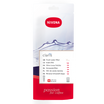
After rinsing, use the machine's milk system cleaning cycle with the appropriate milk cleaner when needed. Water alone handles fresh milk traces, but it will not always break down protein and fat deposits fully over time. A proper milk system cleaner is made for that job and helps keep internal passages cleaner than rinsing alone.
Daily cleaning versus deep cleaning
This is where many owners either overdo it or not do enough. You usually do not need a full disassembly after every latte, but you do need daily attention if milk drinks are part of your routine.
Daily care should be simple. Rinse the hose and milk-contact parts after use, empty leftover milk instead of storing it in the machine setup too long, and run the quick milk rinse or cleaning program. If you make several milk drinks every day, this routine matters even more in warm kitchens or office spaces.
A deeper clean is more occasional. That means taking apart removable frother parts, connectors, and nozzles according to the machine instructions and cleaning them carefully with milk system cleaner or warm water where appropriate. If a part looks clean but still smells slightly sour, it probably needs more than a quick rinse.
The trade-off is convenience versus thoroughness. Quick rinsing is good for day-to-day hygiene, but only periodic deeper cleaning keeps hidden buildup from becoming a performance issue later.
The parts people forget most often
The milk tube gets the most attention because it is visible, but it is rarely the only place residue collects. Connectors, intake adapters, and the milk spout itself are common trouble spots. These areas may hold a thin film that is easy to miss and hard to remove once it dries.
The milk container can also be misleading. It may look clean after being emptied, while a thin layer remains on the inner walls or lid. If you use a refrigerator-friendly milk container, it still needs regular washing. Cold storage slows spoilage, but it does not replace cleaning.
Another overlooked area is the point where steam, air, and milk mix to create foam. That section is where texture problems often start. If foam becomes uneven or large-bubbled, and the milk itself is fresh, that mixing area is worth checking first.
Signs your milk system needs attention now
Sometimes the machine tells you directly through a maintenance prompt. Other times the warning is in the cup. If milk foam is thinner than usual, the flow is interrupted, or the first sip tastes slightly stale, cleaning should move to the top of your list.
A sour smell is the clearest sign. Milk residue does not stay neutral for long. You may also notice spluttering, slower milk delivery, or inconsistent temperature. These symptoms do not always mean a technical fault. Often, they point to partial blockage or residue in the system.
If the machine has already been cleaned but the problem remains, check whether every removable part was actually taken apart. A surface rinse can miss internal channels where buildup hides.
How often should you clean the milk system?
For most households, the practical answer is after every milk-use session and more thoroughly on a regular schedule. If you prepare milk drinks once in the morning and once later in the day, rinsing after each session is the safe standard.
For small offices or heavy-use homes, frequency should increase. More users mean more chances that someone skips the rinse cycle, leaves milk sitting in the tube, or tops up an old container with fresh milk. In those settings, a stricter routine pays off quickly.
It also depends on your drink habits. If you mostly make black coffee and only the occasional cappuccino, your deep cleaning intervals may be longer. If flat whites and latte macchiatos are daily staples, the milk system deserves near-constant attention.
Common cleaning mistakes to avoid
The biggest mistake is waiting until there is a problem. Milk residue is much easier to remove when fresh. Once it dries, cleaning becomes slower and less reliable.
The second mistake is relying only on water forever. Water is useful, but milk proteins and fats often need a dedicated cleaner to be removed properly from internal pathways. Skipping that step can create a false sense of cleanliness.
The third is incomplete disassembly. Many owners clean what they can see and leave behind a connector or nozzle insert that actually holds the residue. If your machine allows safe removal of milk parts, take advantage of that design.
Finally, avoid using harsh household chemicals or improvised tools that could damage seals or scratch components. Premium fully automatic machines are built for convenient care, but they still benefit from using the right products for the right systems.
A practical routine that works
If you want a low-friction habit, keep it simple. After the last milk drink of the session, run the milk rinse program immediately. Then remove and rinse the milk-contact parts with warm water, let them dry properly, and store them clean. On the schedule recommended for your machine, run the full milk cleaning cycle with milk system cleaner and inspect the small connectors and nozzles while you do it.
That routine takes far less time than troubleshooting weak foam, odor, or blocked milk flow later. It is one of those maintenance jobs that rewards consistency more than effort.
For owners of premium bean-to-cup machines, this is part of getting the full value from the machine. Features like automatic programs, removable components, and guided care exist to make ownership easier, not to create extra chores. On NIVONA machines, that balance between high-quality coffee and straightforward maintenance is exactly what makes daily use feel comfortable.
Clean milk systems do more than keep things hygienic. They protect the taste and texture that made you want milk specialties at home in the first place. A few minutes of care keeps every cappuccino closer to what your machine was designed to deliver - smooth, fresh, and reliably satisfying.
The best routine is the one you will actually follow, so keep it quick, keep it regular, and let clean milk lines do the quiet work behind every better cup.



Оставить комментарий
Этот веб-сайт защищается hCaptcha. Применяются Политика конфиденциальности и Условия использования hCaptcha.