
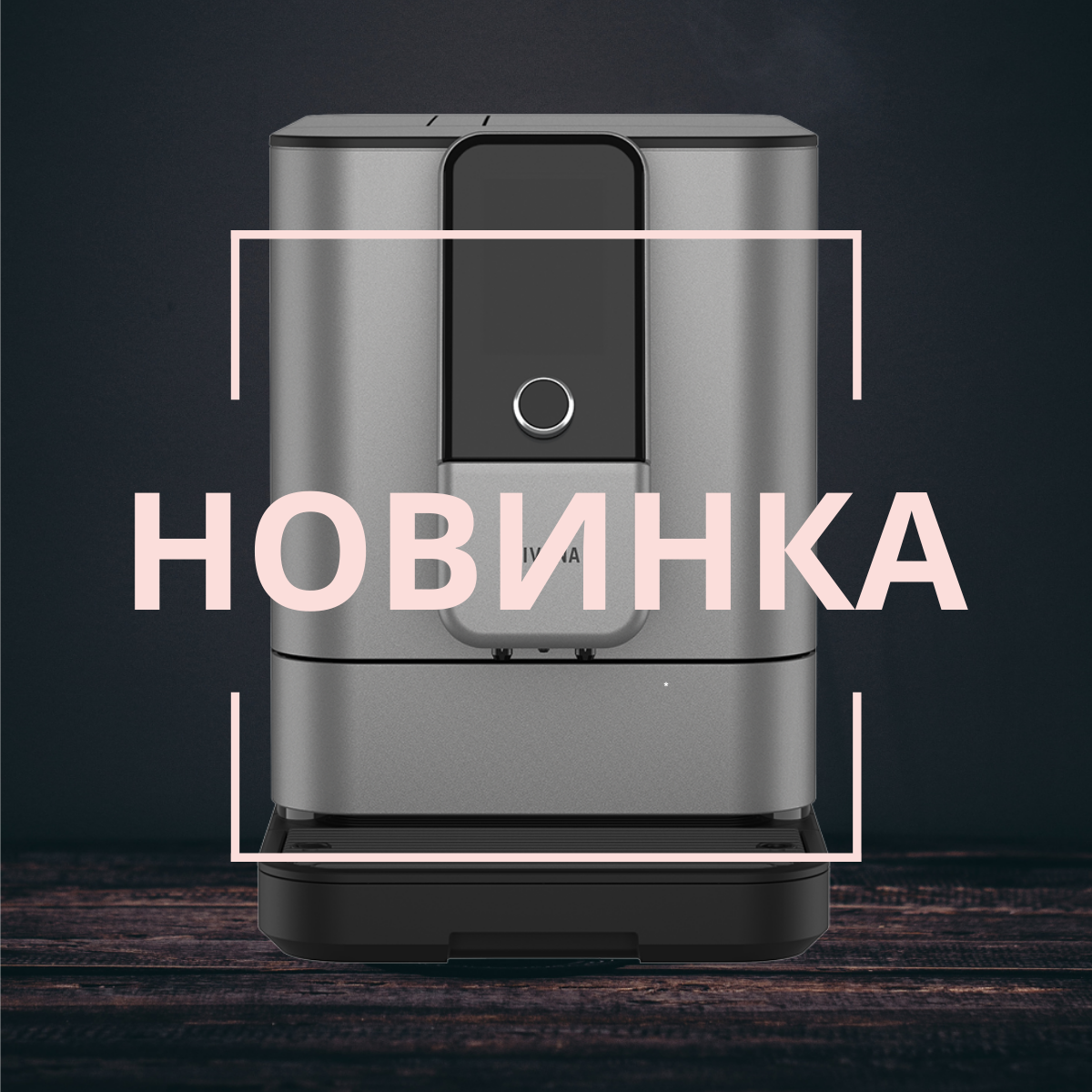



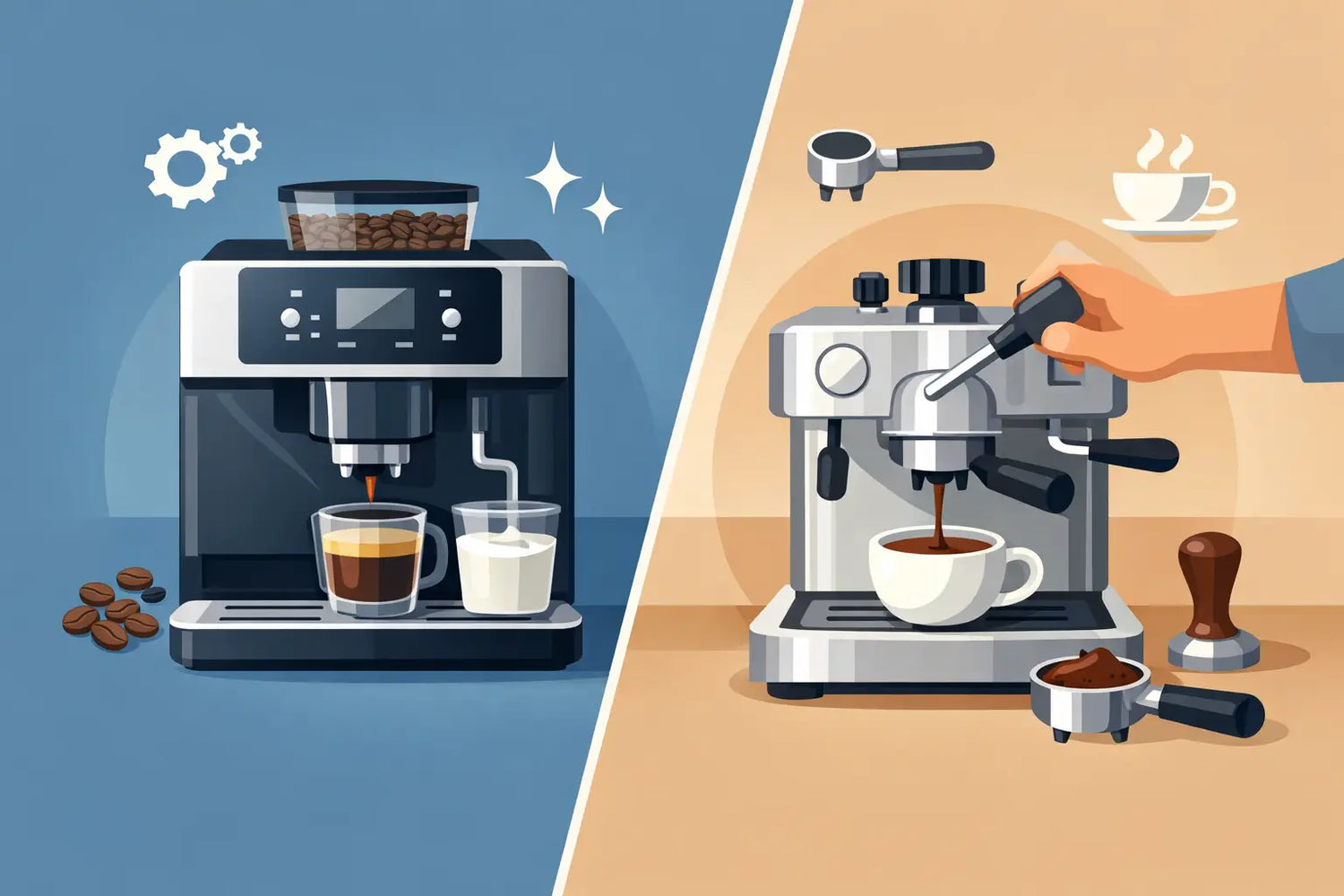
You can tell what matters most by what frustrates people at 7 a.m. For some, it is waiting in line for decent coffee. For others, it is spending ten minutes dialing in grind size, tamp pressure, and shot time before the first sip. That is where the automatic espresso machine vs manual question becomes practical, not philosophical. The right choice depends less on coffee snobbery and more on how you actually want coffee to fit into your day.
Automatic espresso machine vs manual: what really changes?
Both machine types can make satisfying espresso. The difference is how much of the process you control and how much of the work the machine handles for you.
A manual setup gives you direct input over grinding, dosing, tamping, extraction, and milk steaming. That control is the appeal. It can also be the complication. Good results depend on technique, consistency, and time. If you enjoy adjusting variables and learning through trial and error, a manual machine can be rewarding.
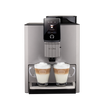
An automatic espresso machine is built around repeatability and ease. Grind settings, coffee volume, drink strength, and milk preparation are simplified or automated depending on the model. In a bean-to-cup system, you start with fresh beans and get espresso with far fewer steps. For many homes and offices, that is not a compromise. It is the reason the machine gets used every day.
Taste: control versus consistency
Taste is usually the first argument in favor of manual espresso, and there is truth in it. A skilled user with a good grinder and solid technique can pull exceptional shots on a manual machine. You can fine-tune extraction for a specific bean, roast level, or flavor profile. If chasing that last 5 percent matters to you, manual espresso gives you the room to do it.
The trade-off is that quality can vary from cup to cup. Small changes in grind, dose, tamp, and timing all affect flavor. Some people enjoy that level of involvement. Others just want their morning coffee to taste good every time.
That is where automatic machines stand out. They are designed to deliver consistent results with minimal effort. With quality components such as hardened steel conical grinders, adjustable coffee settings, and stable brewing systems, a well-made automatic machine can produce rich, balanced espresso day after day. You may give up some hands-on control, but you gain reliability. For most households, that matters more than theoretical maximum performance.
Time and effort: the hidden cost of manual espresso
Manual espresso is rarely just about the machine. It usually includes a separate grinder, a tamper, milk pitcher, scale, cleaning tools, and the habit of learning how to use them well. None of that is a problem if coffee making is part of your hobby.
But if coffee is there to support your routine rather than become your routine, effort matters. A manual workflow asks you to stay precise when you may still be half awake. Grind. Dose. Distribute. Tamp. Brew. Steam. Wipe. Flush. Clean. Repeat.
An automatic machine reduces that chain dramatically. Add beans, fill the water tank, choose your drink, and let the system handle the rest. Many machines also offer two-cup preparation, which makes a real difference in shared households or small office settings. Convenience sounds like a soft benefit until you use the machine every day. Then it becomes the feature that defines the experience.
Maintenance: where ownership gets real
This is the part buyers often underestimate. Espresso quality matters, but so does living with the machine for years.
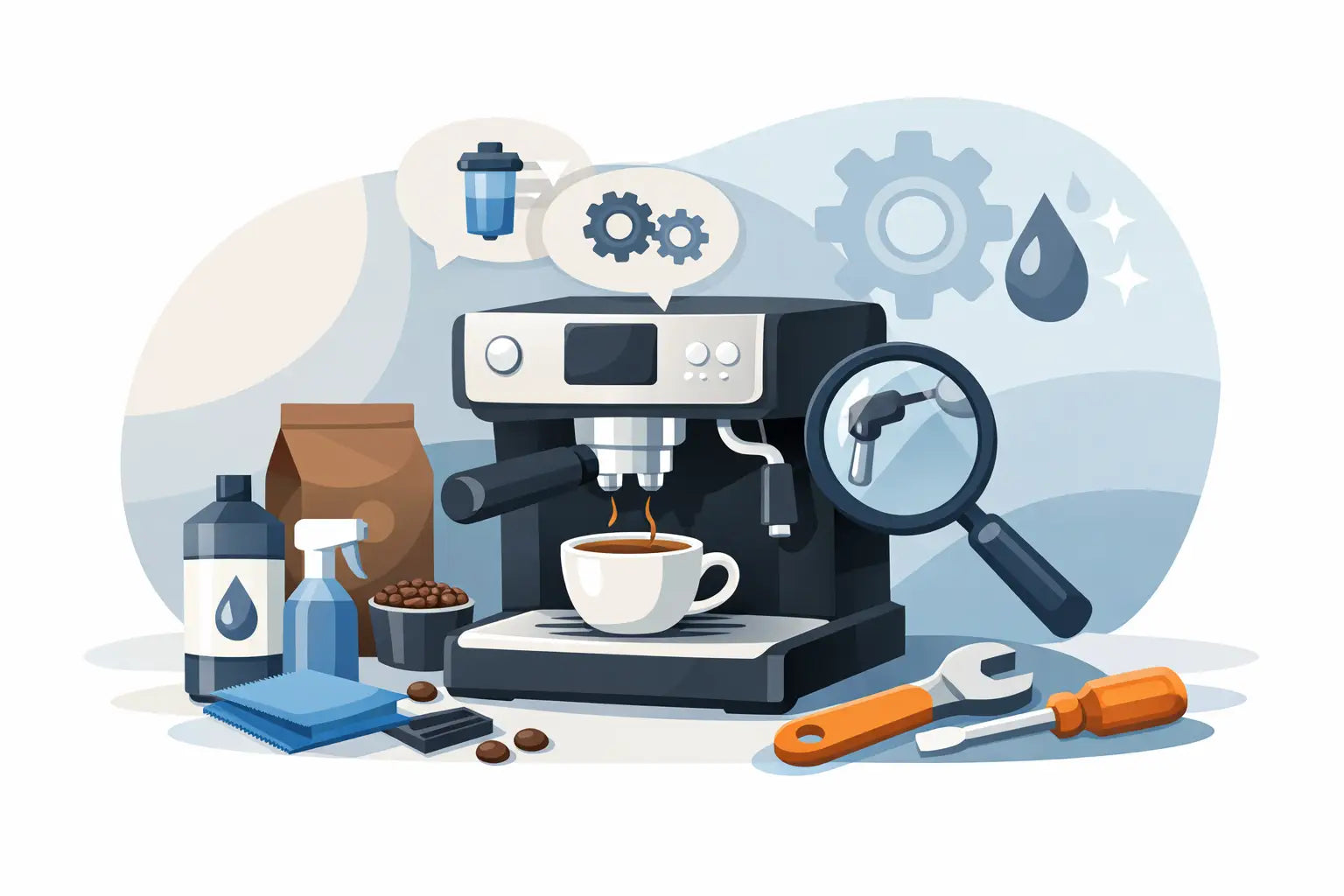
Manual machines are not maintenance-free just because they are more mechanical. You still need regular cleaning, descaling, backflushing on compatible systems, wiping the steam wand, and staying on top of grinder care. If you skip routine maintenance, performance drops and flavor suffers.
Automatic machines sometimes get criticized for being complex, but the best ones are designed to make upkeep easier, not harder. Features like removable brewing units, automatic rinsing, cleaning programs, and descaling prompts reduce guesswork and help owners maintain the machine properly. That matters for anyone who wants premium coffee without turning maintenance into a weekly project.
For many buyers, easy ownership is the deciding factor. A machine that asks less from you is more likely to stay in excellent working condition, simply because the care routine is manageable.
Cost: look past the sticker price
A manual machine can look like the cheaper path at first glance. In reality, the total setup often grows quickly. A capable grinder is essential, not optional. Add accessories and the occasional upgrade, and the price gap narrows.
Automatic machines tend to cost more upfront, especially if you want premium build quality and better internal components. But the value is not only in the machine itself. It is in the integrated grinder, the streamlined workflow, and the consistency built into the system.
There is also a longer-term value question: will you actually use it? A lower-priced setup that feels demanding can end up ignored. A more convenient machine that gets used multiple times a day often becomes the smarter purchase. For small offices, this becomes even clearer. Shared coffee equipment needs to be fast, dependable, and easy for everyone to operate without training.
Learning curve: do you want a hobby or a solution?
This is often the most honest way to answer the automatic espresso machine vs manual debate.
If you want to learn espresso as a craft, manual is the better teacher. You will understand extraction more deeply because you have to. You will notice how grind size changes flow, how tamping affects resistance, and how milk texture shifts with practice. That process can be satisfying.
If you want great coffee with less friction, automatic wins. It removes the need for barista-level skill while still delivering a premium experience. That is especially appealing for households where more than one person uses the machine. Not everyone wants to become the designated coffee expert just to get a reliable cappuccino.
A fully automatic machine is also easier to recommend to buyers moving up from capsules, pod systems, or basic drip coffee. It offers a clear improvement in freshness and drink quality without introducing a steep learning curve.
Which machine fits which lifestyle?
Manual espresso suits people who enjoy the ritual as much as the drink. If you like experimenting with beans, adjusting variables, and taking your time, the process can be part of the pleasure. It also suits buyers who care deeply about customization and do not mind a slower routine.
Automatic machines fit people who want premium coffee to be easy. That includes busy households, couples with different drink preferences, and offices where multiple users need consistent results. It also fits buyers who value support, straightforward maintenance, and a machine designed for daily comfort rather than occasional performance.
This is where product design matters. A well-built bean-to-cup machine with intuitive controls, adjustable settings, and automatic care programs can feel less like an appliance and more like a reliable part of the kitchen. That is the appeal behind systems built for convenience without giving up quality.
For buyers looking at NIVONA machines through My Nivona, that balance is exactly the point. The appeal is not simply automation for its own sake. It is premium coffee made practical through thoughtful engineering, accessible controls, and ownership features that reduce hassle over time.
So which one should you choose?
Choose manual if you want involvement, experimentation, and control over every stage of espresso making. Choose automatic if you want fresh-bean coffee with less effort, more consistency, and a machine that supports your day instead of slowing it down.
There is no universal winner because the better machine is the one that matches your habits. A manual setup can produce remarkable espresso in the right hands. An automatic machine can produce excellent coffee more consistently for far more people. For most homes and shared spaces, that practicality is hard to beat.
The best coffee setup is not the one that asks the most from you. It is the one you will enjoy using on Monday morning, on busy afternoons, and months from now when convenience matters just as much as flavor.

Оставить комментарий
Этот веб-сайт защищается hCaptcha. Применяются Политика конфиденциальности и Условия использования hCaptcha.