
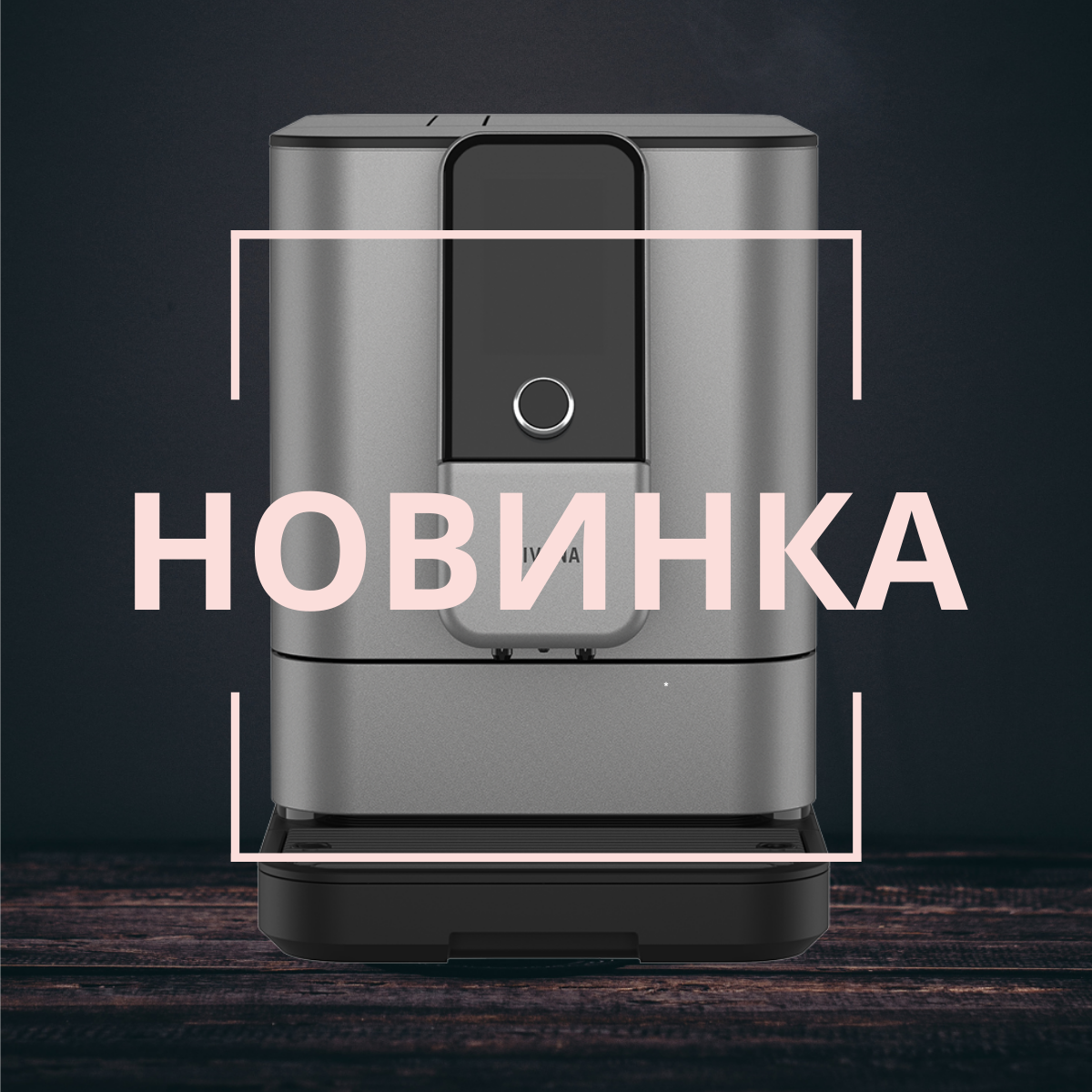



If your morning coffee depends on luck, patience, or a stack of used capsules, it may be time to look for the best coffee machine for home use. Most people are not chasing a hobby. They want consistent espresso, cappuccino, or black coffee at the touch of a button, without turning the kitchen into a barista station.
That is where the decision gets more practical than romantic. A home coffee machine should fit your routine, your taste, and the amount of effort you are actually willing to give it. A great-looking machine that feels complicated after three days is not a good buy. Neither is a cheap machine that makes weak coffee and asks for constant maintenance.
What makes the best coffee machine for home use?
The answer is not one model for everyone. It depends on how you drink coffee, how many people use the machine, and whether convenience matters more than customization.
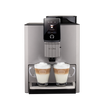
For most households, the sweet spot is a fully automatic bean-to-cup machine. It handles grinding, brewing, and often milk preparation in one system. You get fresher coffee than with pre-ground options, better long-term value than capsules, and far less effort than manual espresso machines. That balance is exactly why this category keeps becoming the default choice for people who want premium coffee without a learning curve.
The best machine should do four things well. First, it should produce consistent coffee from cup to cup. Second, it should be easy to adjust, because coffee preferences are rarely identical across a household. Third, it should be simple to clean and maintain. Fourth, it should feel reliable enough to use every day without becoming another appliance that needs babysitting.
Start with your real coffee habits
Before comparing specifications, think about what actually happens in your kitchen. Do you drink straight espresso in the morning and nothing else? Do two people want different drinks before work? Do you make milk-based drinks on weekends but keep weekdays simple? These details matter more than marketing language.
If your household mostly drinks black coffee, prioritize bean quality, grinder performance, brew consistency, and adjustable volume. If milk drinks are part of daily life, the milk system becomes a major part of the buying decision. A machine can make excellent espresso and still frustrate you if the milk process feels messy or slow.
Volume matters too. A one-person household may be perfectly happy with a compact machine and a smaller water tank. A family kitchen or small office usually benefits from a machine built for more frequent use, with easier refilling, larger bean capacity, and smoother two-cup preparation.
Why bean-to-cup machines make sense at home
Many buyers start by comparing three routes: capsule machines, drip coffee makers, and manual espresso setups. Each has a place, but the trade-offs are clear.
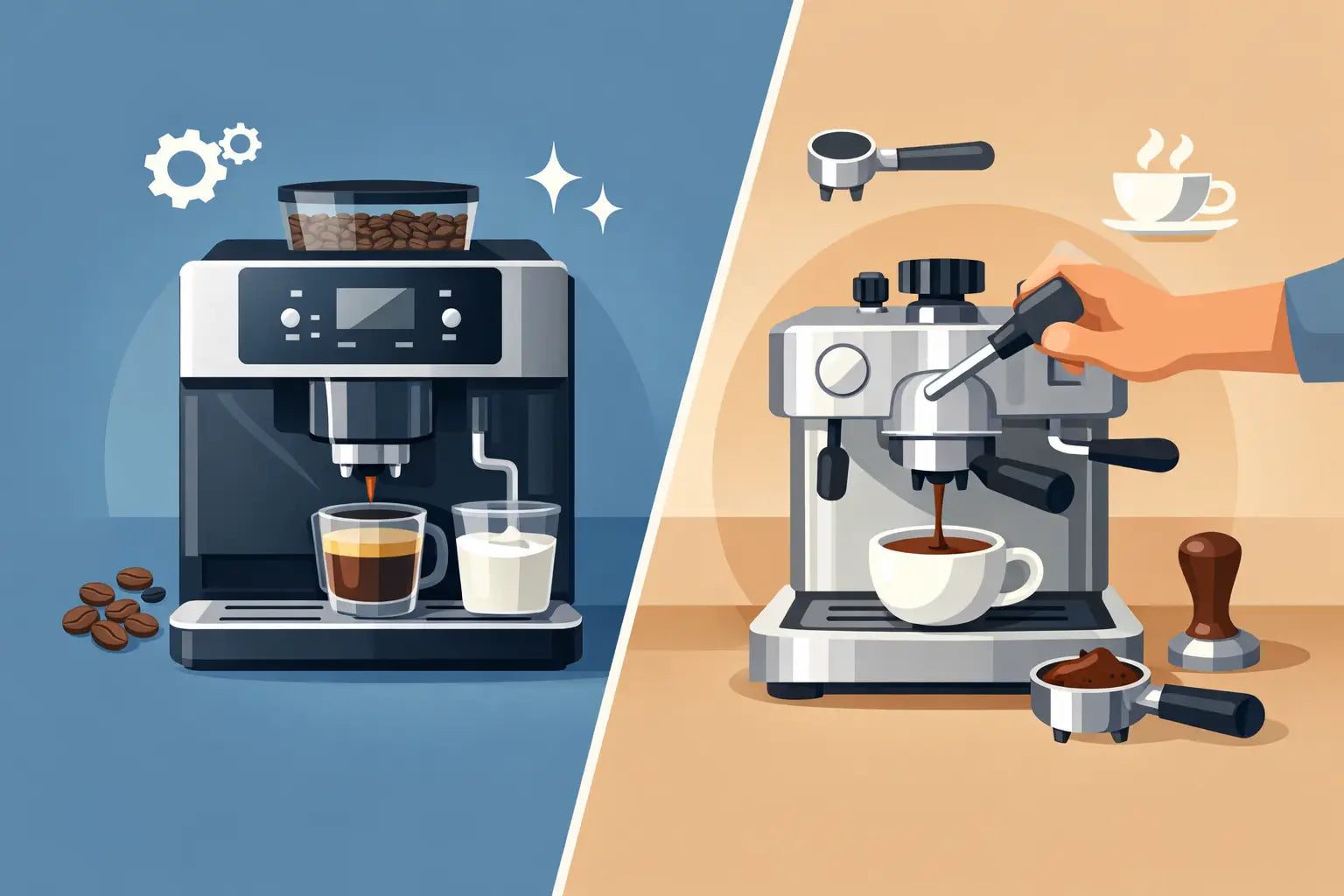
Capsule machines are convenient, but coffee quality and cost per cup can become limiting. You also give up a lot of control over freshness and flavor. Manual espresso machines can deliver excellent results, but they demand time, skill, and attention. For people who enjoy the craft, that is part of the appeal. For most households, it becomes a barrier.
Bean-to-cup machines sit in a more useful middle ground. Freshly ground beans improve aroma and taste. Automatic programming keeps the process simple. Adjustable settings let different users fine-tune strength, volume, and drink style without needing to learn extraction theory.
That combination is why a fully automatic machine is often the best coffee machine for home buyers who want quality and convenience in the same purchase.
Features worth paying for
Not every premium feature is equally valuable. Some genuinely improve daily use, while others sound impressive but change very little.
A hardened steel conical grinder is one of the features that does matter. Grinder quality affects consistency, and consistency affects taste. If the grind varies too much, the coffee will too. Better grinders also tend to hold up better with daily use.
A removable brewing unit is another feature that pays off long term. It makes routine cleaning easier and helps keep the machine in better condition without requiring technical confidence from the owner. When maintenance feels straightforward, people actually do it.
Automatic cleaning and descaling programs are equally important. Buyers often focus on the first cup and ignore the sixth month of ownership. That is a mistake. A machine that guides care routines and simplifies upkeep is usually a better investment than one with more drink icons but more maintenance friction.
Drink customization is worth having, but only if it is intuitive. Adjustable coffee volume, strength, temperature, and milk settings are useful when they are easy to access. If the menu is awkward, those options tend to go unused.
Two-cup preparation is especially valuable in shared households. It saves time, feels more practical in real life, and reduces the small daily irritation of brewing back-to-back cups when everyone is in a hurry.
How to choose the right level of machine
A common mistake is buying either too little machine or too much machine.
Entry-level models are often right for buyers upgrading from capsules or basic drip coffee. They cover the essentials: fresh grinding, automatic brewing, and simple daily operation. If your priorities are reliable espresso, black coffee, and easy ownership, this level can be more than enough.
Mid-range machines are usually the strongest value for busy homes. This is where you start seeing better drink customization, stronger milk systems, quieter operation, and more refined build quality. If multiple people use the machine or expectations are higher than just “good enough,” mid-range often makes the most sense.
Premium models earn their place when coffee is a central part of the home routine, or when the machine serves more users each day. Larger capacities, broader drink menus, finer controls, and more polished user experience can justify the price, especially in households that would otherwise spend heavily at coffee shops.
For buyers comparing structured product ranges, it helps to think in tiers rather than chasing one “best” model. Brands with clear series progression make that easier because you can match budget and usage level without guessing what the upgrade actually brings.
The ownership question most buyers overlook
A coffee machine is not just a product purchase. It is an ownership experience.
This is where official support, authentic parts, and clear maintenance products matter more than many shoppers expect. Even the best machine needs cleaning, descaling, and routine care. Knowing you can get the right support without confusion reduces purchase risk and makes the machine easier to live with over time.
That is one reason buyers often prefer official brand channels such as My Nivona. The machine itself is only part of the value. Trusted after-sales service, correct care products, and knowledgeable guidance make premium coffee at home feel low-friction instead of high-maintenance.
Best coffee machine for home shoppers: questions to ask before buying
A useful shortlist usually comes from a few honest questions. How many cups do you make per day? Do you want one-touch milk drinks or mostly black coffee? Will more than one person use the machine regularly? How much cleaning effort feels acceptable? And are you buying for price alone, or for years of reliable daily use?
If your answers point toward convenience, consistency, and easy care, a fully automatic machine is likely the right fit. If they point toward experimentation and manual control, a traditional espresso setup may suit you better. But for the majority of households, daily comfort wins.
The best home machine is rarely the most complicated one. It is the one that delivers the coffee you want, in the time you have, with maintenance you can realistically keep up with.
A better way to judge value
Price matters, but value is broader than the number on the product page. A machine that costs less upfront can become more expensive through poor durability, disappointing coffee, or inconvenient maintenance. A better machine may cost more initially and still be the smarter purchase if it performs reliably every day and reduces your dependence on coffee shop spending.
When people say they want cafe-style coffee at home, what they usually mean is not theater. They want a machine that turns good beans into consistently satisfying coffee, fits into a normal routine, and feels easy to own. That is the standard worth buying for.
If you keep that in mind, the right choice becomes much clearer. Choose the machine that matches your habits, not the one with the longest feature list. Your best coffee at home should feel effortless enough to enjoy before the day starts.

Оставить комментарий
Этот веб-сайт защищается hCaptcha. Применяются Политика конфиденциальности и Условия использования hCaptcha.