
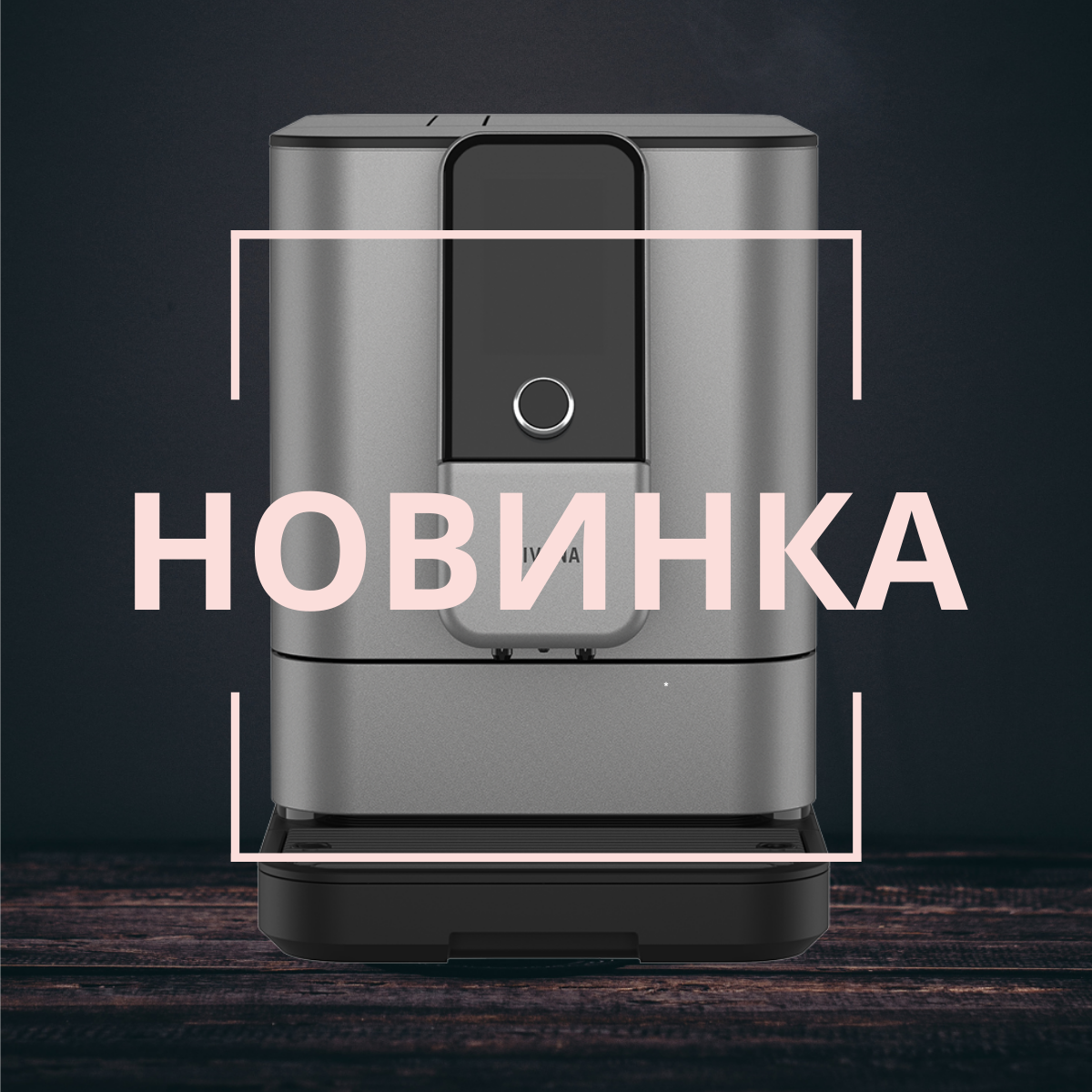



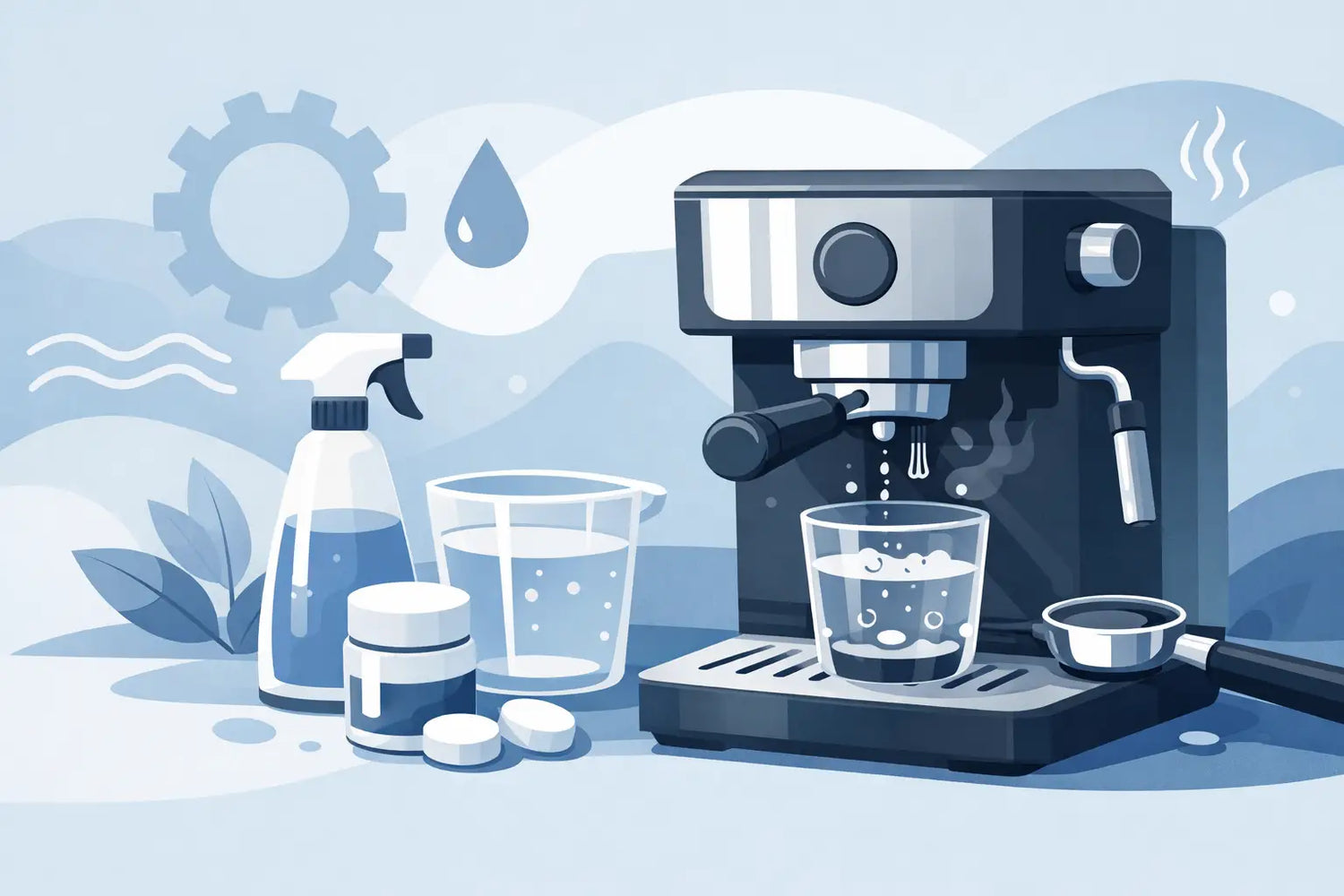
If your espresso suddenly tastes flatter, takes longer to brew, or comes out less hot than usual, scale is often the reason. Knowing how to descale espresso machine systems properly is one of the simplest ways to protect flavor, keep performance consistent, and avoid wear that builds quietly over time.
Limescale forms when minerals from water collect inside the machine’s internal pathways. You do not always see it, but your espresso machine feels it. Heating elements work harder, water flow becomes less precise, and automatic programs can start taking longer than they should. In a home kitchen this means less reliable coffee. In a small office, it usually means more interruptions and more complaints from everyone waiting for their morning cup.
Why descaling matters more than most owners think
A quality espresso machine is designed for repeatable results. That depends on stable temperature, controlled water movement, and clean internal components. Scale interferes with all three.
The first issue is taste. Espresso is sensitive to small changes, so when mineral buildup affects water temperature or flow, the cup changes too. You might notice bitterness, weak crema, or a shot that feels oddly thin. The second issue is strain on the machine itself. A machine can continue working while scale builds up, but that does not mean it is working well. Over time, neglected descaling can reduce efficiency and increase the chance of service needs.
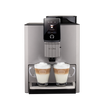
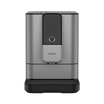
This is why premium automatic machines make maintenance easier rather than leaving it to guesswork. On many NIVONA bean-to-cup models, the care process is designed to be straightforward, with automatic cleaning and descaling programs that remove much of the uncertainty for the owner.
How often should you descale an espresso machine?
It depends on two things - your water hardness and how often the machine is used. A household making two to four drinks per day may need descaling far less often than a shared office machine preparing dozens of coffees each week. Hard water also changes the schedule significantly.
Some owners descale on a fixed calendar, but machine-led maintenance reminders are usually better when available. They reflect actual use more accurately. If your machine includes an automatic descaling alert, follow that first. If it does not, a practical rule is to pay attention to brewing speed, temperature changes, and water hardness in your area.
Descaling too rarely is the common problem, but descaling too often is not ideal either. Running harsh products through the system unnecessarily can add avoidable wear. The goal is timely care, not constant intervention.
How to descale espresso machine models safely
Before you start, check the user manual for your specific machine. That matters because not every espresso machine handles descaling the same way. Fully automatic models, traditional semi-automatic machines, and capsule-based systems all have different internal layouts and care routines.
For most modern bean-to-cup machines, the safest approach is simple. Use a descaling product recommended for espresso machines, empty the drip tray, remove any water filter if the instructions require it, and make sure the water tank is filled with the correct descaling solution mixture. Then run the machine’s descaling program exactly as directed.
If your machine has an automatic descaling cycle, let it complete the full process without interruption. Many owners make the mistake of stopping early once the solution appears to be gone. That can leave residue inside the system or result in incomplete mineral removal. When the cycle is done, the machine will usually require one or more rinse cycles with fresh water.
For manual machines without a guided program, the process requires more attention. You typically run the descaling solution through the brew path and hot water circuit in stages, then flush thoroughly with clean water. The key is patience. Rushing this step is how chemical aftertaste ends up in the next espresso.
What you should not use
Not every household cleaner belongs anywhere near an espresso machine. Vinegar is the most common example. Some people use it because it is easy to find, but many manufacturers do not recommend it. The smell can linger, the taste can carry over, and certain internal seals or materials may not respond well to repeated vinegar exposure.
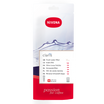
Instead, use a descaling solution made for coffee machines. These products are formulated to dissolve mineral buildup while being appropriate for the components inside the machine when used correctly. That is especially important on premium machines with automatic systems, sensors, and precise water routing.
Also avoid guessing the dilution ratio. More product is not better. If the bottle or manual gives a specific mixture, follow it closely.
Step-by-step care for fully automatic machines
For many owners, the easiest answer to how to descale espresso machine equipment is to let the machine guide the process. Fully automatic systems are built for convenience, but they still work best when the owner handles preparation correctly.
Start by making sure the machine is cool enough to service and that no drink program is running. Empty the drip tray and dregs container. If your model uses a water filter, remove it if the instructions say to do so before descaling.
Mix the descaling solution in the water tank according to the product instructions. Place a sufficiently large container under the coffee spouts and hot water outlet, since the cycle may release liquid from more than one area. Then start the descaling program from the maintenance menu.
During the cycle, the machine may pause between stages. That is normal. It allows the solution to work on internal scale deposits. Once prompted, rinse the tank thoroughly, refill with fresh water, and run the rinse cycle until the program is complete.
Afterward, reinstall the water filter if your setup includes one, refill the tank with clean water, and wipe down any external surfaces. Your first coffee after descaling should taste clean, not chemical. If anything seems off, run an extra rinse.
Signs your machine may need descaling sooner
Sometimes the machine tells you directly. Sometimes it does not. If you notice slower dispensing, inconsistent coffee volume, unusual brewing noise, cooler drinks, or more steam than expected during brewing, mineral buildup may be affecting performance.
None of these signs automatically point to scale alone. A dirty brew group, old filter, or blocked milk system can create overlapping symptoms. That is why maintenance should be seen as a complete care routine rather than one isolated task. Descaling solves mineral buildup, but it does not replace cleaning coffee oils, rinsing milk parts, or emptying internal waste containers regularly.
Water filters help, but they do not eliminate descaling
A water filter can reduce mineral load and improve taste consistency, which is valuable for both home users and office settings. It can also extend the time between descaling cycles. Still, it does not mean descaling is no longer needed.
Think of the filter as reducing the workload, not erasing it. If your water is especially hard, scale can still accumulate over time. That is why many premium machines pair filter support with automatic reminders and dedicated maintenance programs.
A better routine means better coffee every day
The best maintenance routine is the one you will actually follow. For some owners, that means choosing a machine with guided care programs and removable components that make routine upkeep less of a chore. For others, it means keeping descaling solution on hand so there is no delay when the alert appears.
If you are comparing machines with long-term ease of ownership in mind, maintenance design matters as much as drink options. A machine that helps you descale correctly, clean easily, and keep brewing without guesswork saves time over the long run and protects the coffee quality you bought it for in the first place. If you want that kind of straightforward care, https://mynivona.com/ focuses on official NIVONA machines and maintenance essentials built around simple ownership.
Descaling is not glamorous, but neither is bad espresso from a machine that deserved better care. A few deliberate minutes now keeps every next cup closer to what the machine was made to deliver.

Оставить комментарий
Этот веб-сайт защищается hCaptcha. Применяются Политика конфиденциальности и Условия использования hCaptcha.